
Reviewed · FOOD & TASTING TOURS
Hamburg: Schanzenviertel Culinary Tour
Hamburg’s Schanzenviertel is interesting because the food scene is tied to real street-level change, from rent pressure to new businesses moving in. I love the way the guide connects the neighborhood story to what you eat, and I love the 5 local tastings that keep the walk from feeling like a lecture. One possible drawback is that, depending on what’s on offer that day, a couple stops may feel less obviously tied to Hamburg or may tilt sweeter than you expected.
You’ll also get a strong sense of the district’s edge, including stops around Sternschanze and landmarks tied to the area’s “revolutionary” reputation, like the Rote Flora and the old piano factory. Guides such as Ute or Ursula are the kind who explain what you’re seeing in plain language, not by piling on facts. Since it’s outdoors and you’ll sample while walking, bring weatherproof layers and solid shoes.
Key Things To Know Before You Go
- Sternschanze focus: you spend your time in Hamburg’s trend-zone with strong local identity
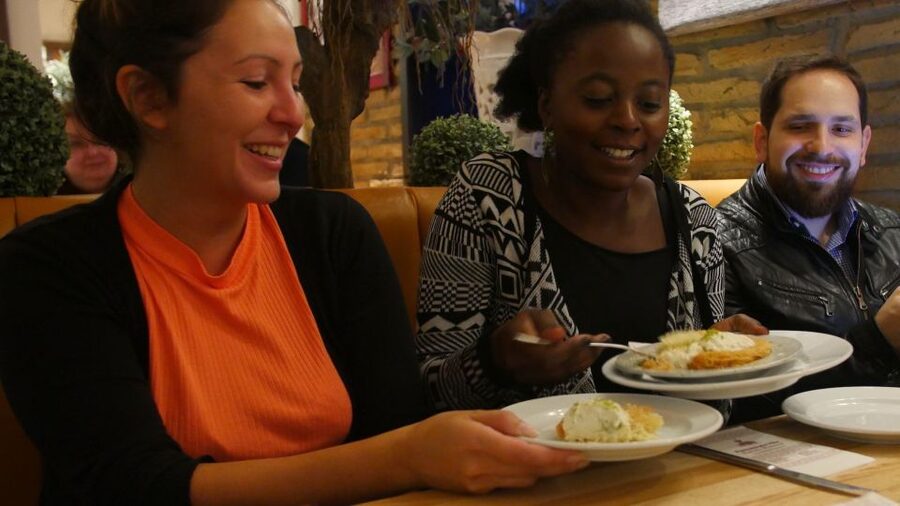
- 5 food tastings included: each stop gives you a real bite, not just a snack
- A neighborhood story with teeth: you hear about gentrification, rent increases, and investor pressure
- Landmarks along the way: the tour routes you past the Rote Flora and the old piano factory
- Carl Hagenbeck thread: you follow the historical connection to the area and its “revolutionaries”
- Works for vegetarians: the tour is suitable even if you skip meat
Why This Hamburg Food Walk Feels More Real Than Most
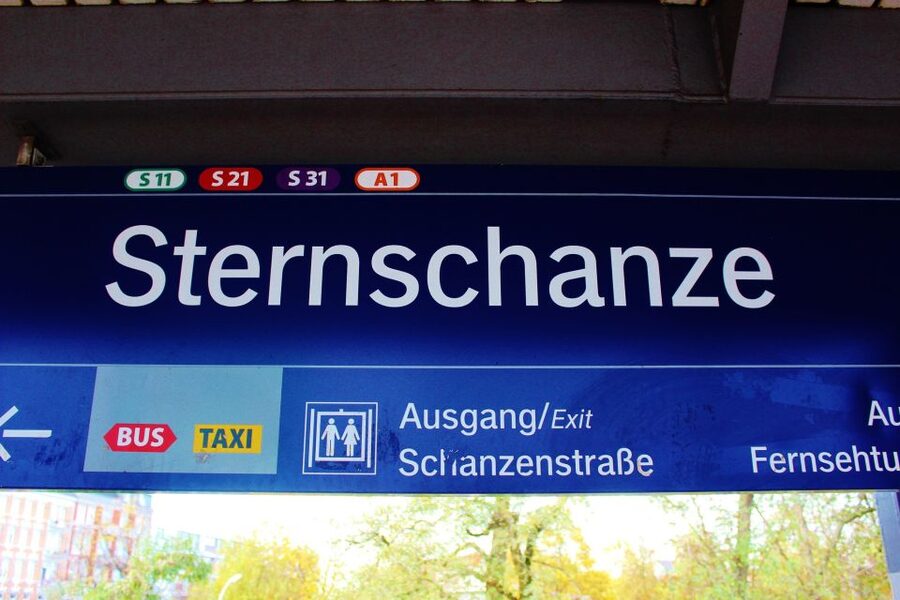
This is not just a list of places to eat. It’s a walk through a small district in northern Germany where the culinary scene and the social scene have been changing side by side. Sternschanze, part of the larger Schanzenviertel area, is known for its café and bar density. That sounds casual, but on this tour it becomes a lens for understanding why the neighborhood feels the way it does.
The tour is built around a 3-hour walking format. You get to see more than one block at a time, which matters here because the identity of the streets changes quickly. One minute you’re near the kind of storefronts that draw new crowds, the next you’re near places that represent longer-running local culture. If you like food tourism that explains the world behind the menu, this style fits.
Two other practical points that make it work for regular humans. First, tastings are part of the experience, so you’re not trying to invent a full meal plan on your own. Second, the tour notes that most people do not usually need to eat right before or after, which is handy when you’re trying to fit Hamburg into a tight schedule.
More food and tasting tours in Hamburg:
- Hamburg: Chocoversum Guided Tour with Tastings
★ 4.7 · 2,443 reviews - Hamburg: Elbphilharmonie Plaza and HafenCity Food Tour
★ 4.7 · 1,711 reviews - Hamburg: Speicherstadt Walking Tour with Coffee Tasting
★ 4.6 · 360 reviews
Sternschanze, From Star-Shaped Defense To Cult Status
Before you start grazing, you get the background that makes the neighborhood legible. Sternschanze once referred to a star-shaped defense structure. That detail alone is fun, but the bigger takeaway is how the district’s purpose has shifted over time.
Today, Sternschanze carries a cult-level reputation that locals often compare to the Reeperbahn, but with its own flavor. On the tour, you learn how the area moved from older, more functional uses into the kind of nightlife and hangout district that attracts both locals and visitors. The tour also frames why it has become a destination without turning it into a sanitized postcard.
This context matters because it changes how you read what you see. You start noticing the contrasts: old work-worn spaces side-by-side with newer concepts, long-time local culture rubbing shoulders with commerce. Even if you do not care about history for its own sake, you’ll care because it explains the food and the vibe.
The Gentrification Talk You Actually Can See
A big reason this tour earns a strong reputation is that it does not avoid current topics. In plain terms, you discuss the fight against gentrification and commerce in the district, including how rent increases affect who can stay and who gets pushed out. You also talk about trade and investor interest, which can feel abstract until you’re walking in the exact streets where that pressure plays out.
What I like about this approach is that it grounds big-picture issues in everyday reality. You’re not being asked to memorize slogans. You’re seeing the transformation, learning what changed, and then tasting along the way so the tour keeps your attention.
A balanced note for your expectations: this is not political theater. It’s a guided neighborhood walk where the tour guide connects the dots between the social shifts and the dining scene. If you want your meals separated from the world, you might find the conversation a bit too present. If you want understanding, it’s one of the strongest parts.
Navigating Around Rote Flora and the Old Piano Factory
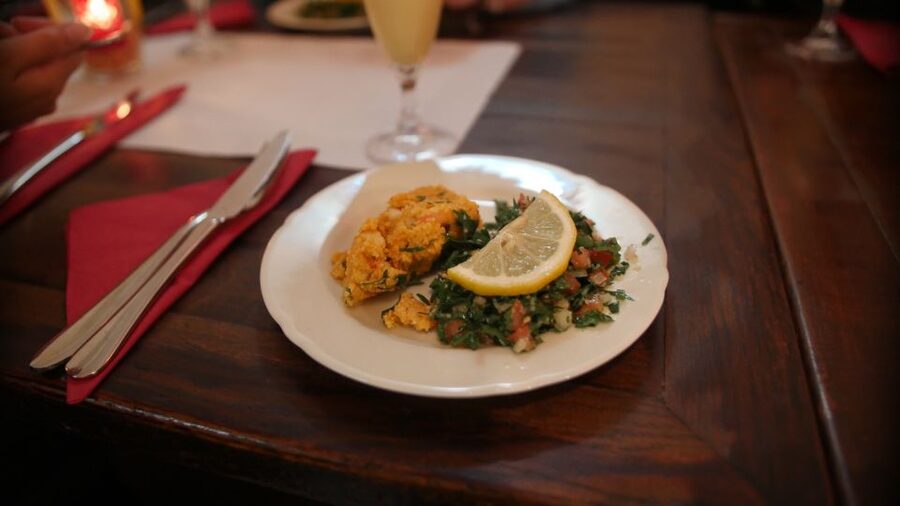
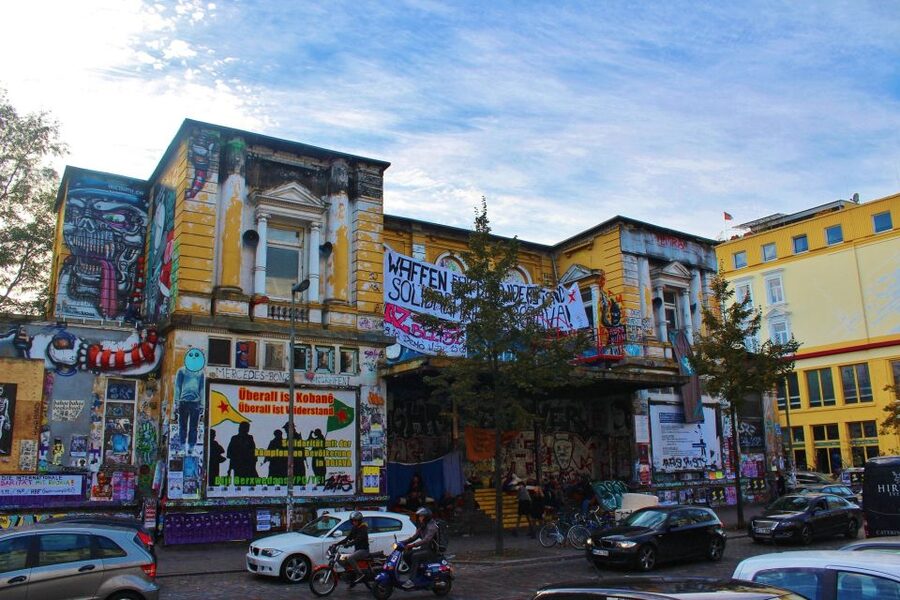
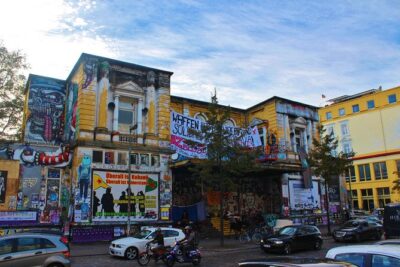
One of the tour’s defining routes includes the left-wing autonomous center known as the Rote Flora. The tour also includes the old piano factory. Those stops give the walk a sharper edge, because they anchor the district’s reputation in real places.
Why does this matter for a food tour? Because culinary districts are cultural districts. When a neighborhood has a visible identity tied to art, activism, or counterculture, that identity shapes what people open, what people support, and what kind of customers fill the seats.
Even if you do not share the same politics, you’ll understand the atmosphere better after you’ve seen the landmarks. And if you’re curious about why the Schanzenviertel feels distinct from other parts of Hamburg, those stops help explain it without forcing you into a deep academic mode.
Another way to spend a few hours in Hamburg:
- Hamburg: Sex and Crime in St. Pauli Tour for Ages 18+
★ 4.7 · 15,447 reviews - Hamburg: 1.5-Hour Harbor and Speicherstadt Day Cruise
★ 4.6 · 14,200 reviews - Hamburg: 90-Minute Evening Lights Harbor Cruise
★ 4.5 · 7,728 reviews - Hamburg: 2-Hour XXL Port of Hamburg Cruise Tour
★ 4.7 · 6,979 reviews
The 5 Tastings: What You’ll Taste and How the Order Feels
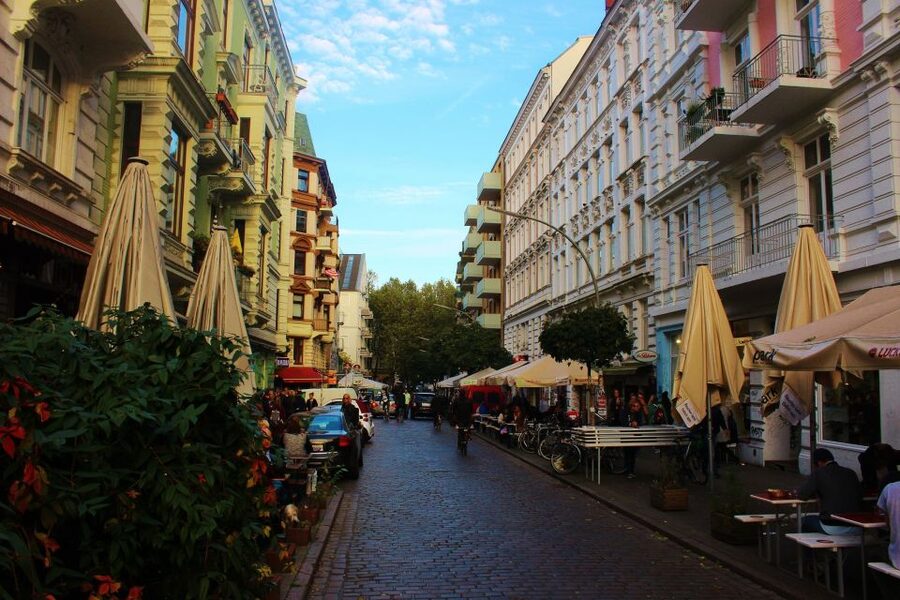
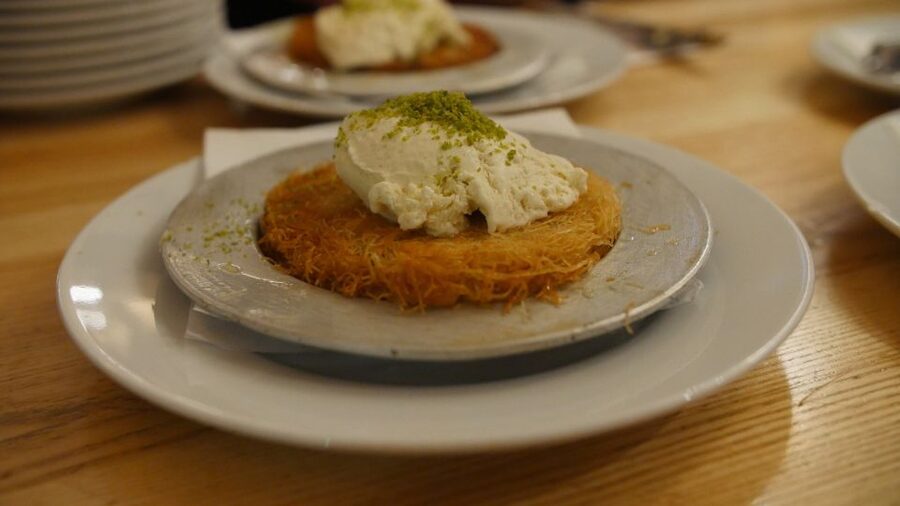
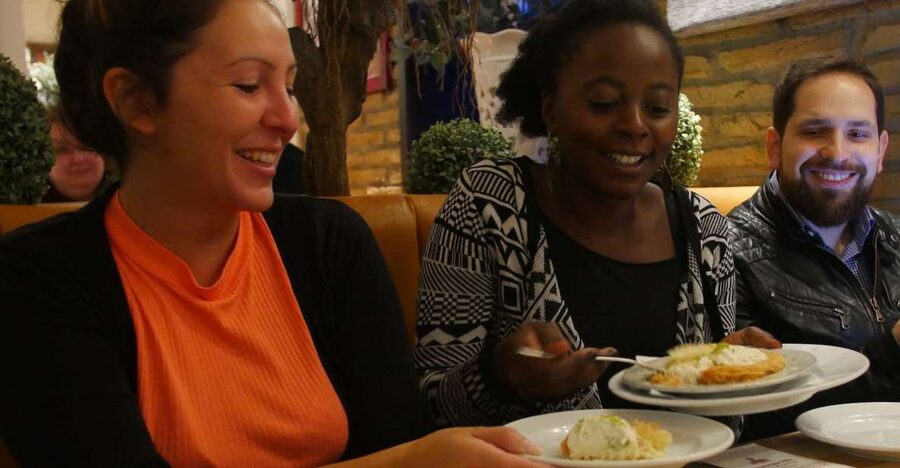
You’ll stop at five local food hotspots for tastings. The tour is described as a culinary walking experience through a district filled with cafés and bars, so you’re tasting in the kind of places people actually use day-to-day.
The info you’re given emphasizes regional flavors and the backstories of the food spots. In other words, it’s not just about sample size. It’s about why that stall, counter, or café fits here.
One caution, based on how the tastings are discussed: the variety includes both savory and sweet elements. That can be great if you want range. It can be slightly annoying if you prefer savory early and desserts last, since some guests have wished the pacing was arranged differently. If you’re sensitive to that, just plan around it mentally. You will still leave fed and informed.
Here’s how to think about the tastings, practically:
- Expect a mix meant to show different sides of the district’s food culture.
- Expect that not every stop will feel equally “regional” to every palate.
- Use the walk time to slow down, taste deliberately, and ask questions when something piques your interest.
Stop-By-Stop Flow: What Each Part of the Walk Is Doing
Since the tour is a walking route through Schanzenviertel with five tastings, the “real itinerary” is the rhythm: you move, learn, taste, move again. Even without memorizing exact shop names, you can understand the tour’s structure and what you’ll get out of each segment.
1) Start with orientation in Sternschanze
Early on, you’re still building your mental map. You learn how Sternschanze’s layout and past function connect to today’s identity. This start is useful because once you know the district’s logic, the food choices feel less random.
If you’re the type who needs bearings fast, this opening helps you. You’ll also understand what the “trendy” label means here, and why it’s not just about fashion.
2) A first tasting that sets the tone
The first stop usually matters because it gives you a baseline. It’s where you start tasting the neighborhood, so you can compare later choices. If you like getting a quick win early, you’ll probably appreciate how the tour prevents long gaps without food.
Potential drawback: if you arrive very hungry, your timing may matter less than you think, since you’re tasting five times across the 3 hours. Still, you do need to pace yourself.
3) Mid-walk tasting stops tied to local stories
As the tour continues, the guide’s storytelling likely intensifies, because the walk is passing more “meaningful” corners. This is where the tour tries to connect craft, small businesses, and transformation. You’ll hear about craftsmanship in the neighborhood and the development over the years.
This is also where the gentrification discussion typically becomes real. You’ll see the tension between commerce and local culture, then taste food from places living inside that tension.
4) A landmark-heavy segment around Rote Flora
When you move near the Rote Flora, the vibe shifts. You’re not just walking past a sight, you’re arriving at a symbol of the district’s identity. That shift makes the food stops feel less like samples and more like part of the neighborhood’s ongoing story.
If you’re photographing, this is a good area for photos, but keep it respectful and practical. You’ll be outdoors and walking, so plan for cold or wet conditions if you travel in shoulder or winter months.
5) The final tastings, where sweet may show up
Toward the end, the tastings can include sweeter notes. Not everyone loves how dessert-like items land in the sequence, especially if you wanted the savory flavors first. The good news is that the portion style is still tasting-sized, so it’s not a full dessert binge unless you decide it should be.
You’ll likely finish the tour satisfied and with a clear sense of what kind of food culture defines Schanzenviertel.
The Guide Experience: Why People Keep Praising the Teaching
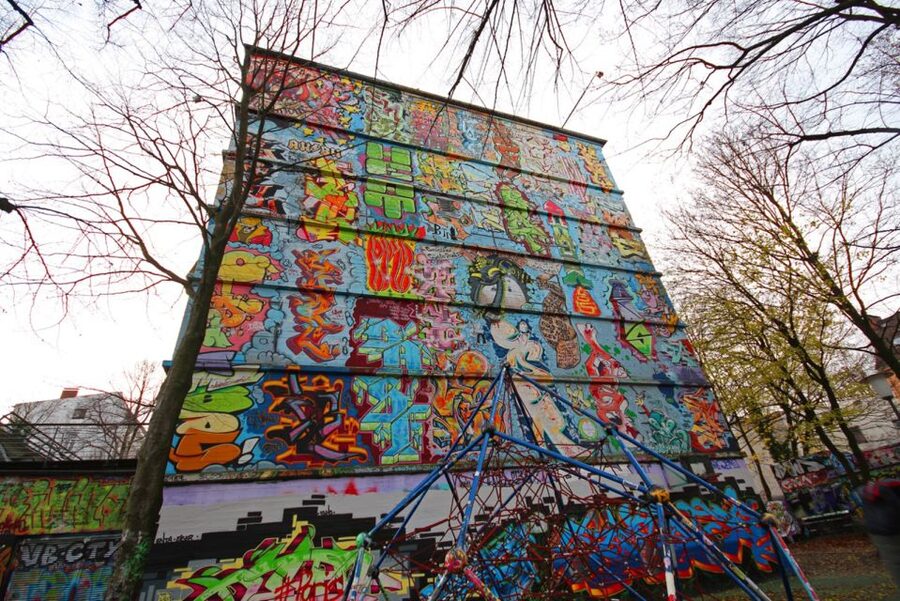
One pattern in the tour’s reputation is how much people value the guide. You’re not just shown places, you’re guided through meanings. Names like Ute and Ursula come up as examples of how competent guides can be, especially when they explain the district’s development in a way that feels visual.
That matters because Schanzenviertel can be confusing if you only see it through signage. The guide helps you connect the dots between buildings, culture, and food.
Also, the tour is noted as well organized. On a cold day, that organization matters more than you’d expect. Even if you’re not thinking about it, pacing and timing keep you from rushing or waiting around, and that makes the experience feel smoother overall.
How Long It Takes and How to Dress for It
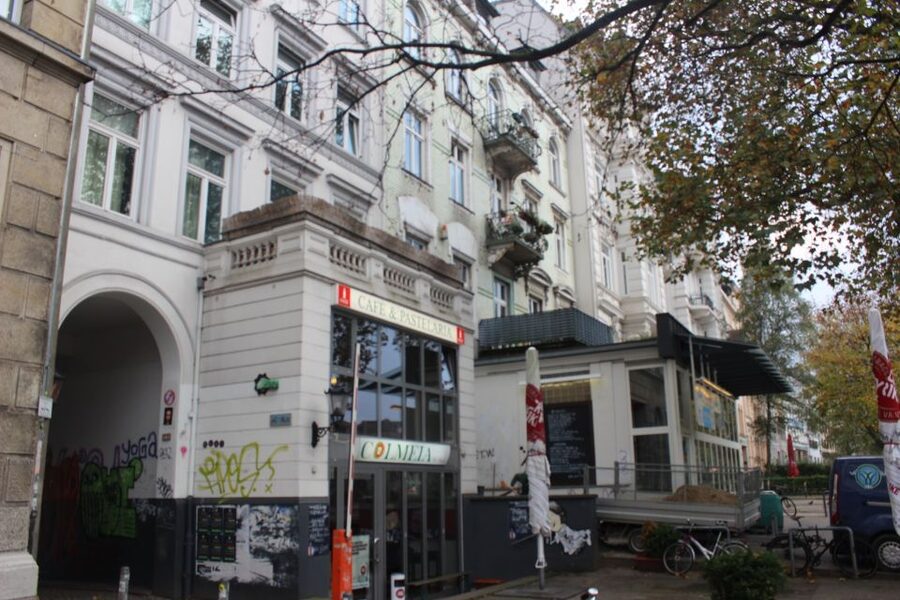
This is a 3-hour walking tour, designed for steady movement. You should plan for outdoor time, especially around winter. The tour strongly suggests weatherproof clothing and suitable footwear, which is practical advice in Hamburg.
Another helpful detail: meals during the tour can be enjoyed either standing or, if necessary, seated. That means you do not have to force yourself into a statue-like stance the whole time.
If you’re coming from another neighborhood, I’d treat this as a main event for your day. Not because you can’t fit other things, but because you’ll enjoy it more if you’re not rushing to the next reservation right after you finish the last tasting.
Price and Value: Does $57 Make Sense for a 3-Hour Walk?
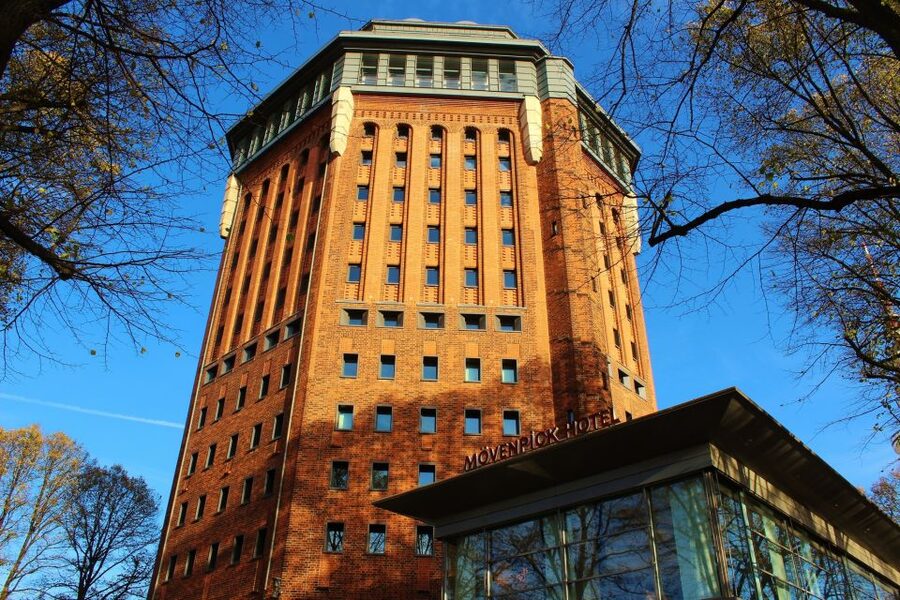
At about $57 per person for 3 hours, the price is positioned as a mid-priced food experience. What makes it feel fair is what you get for that money: a live tour guide, a 3-hour route, and tastings at five local locations.
Food tours can be hit or miss when the “included” food is just small bites. Here, the structure is specifically built around tastings at five localities, so you should leave with the sense you ate your way through the district, not just sampled one or two things.
Two extra value signals: the tour is suitable for vegetarians, and you’re paying for guided context about the district’s transformation. That storytelling is not just entertainment. It helps you understand what you see after the tour, and it can influence where you choose to eat next.
Finally, drinks are not included. That’s not a negative, it’s a budgeting hint. If you want beer or cocktails, plan to pay separately at a place that fits your taste later.
Who Should Book This Culinary Tour
This tour is a great fit if you:
- want a walking food experience that includes local context and neighborhood history
- like visiting districts with a strong identity, not just tourist lanes
- enjoy tastings more than formal restaurant meals
- travel with a vegetarian preference, since it’s suitable for vegetarians
- want to understand current issues like rent increases and investor pressure without getting lost in theory
It might be less perfect if you:
- dislike any political or social conversation while eating
- hate the idea of sweet items showing up among the tastings
- prefer a strictly “food-only” tour that avoids landmarks with heavier meanings
Should You Book the Hamburg Schanzenviertel Culinary Tour?
If your goal is to understand Hamburg through the lens of food and neighborhood change, I think this one is a strong yes. The tastings, the district storytelling, and the inclusion of key landmarks like the Rote Flora and the old piano factory give the tour more weight than a basic sample route.
Book it if you want 5 tastings plus context, and you appreciate guides who can explain what you see. Skip it if you want purely culinary tips with no discussion of gentrification or rent pressures, because that theme is part of the experience.
Either way, go prepared for walking and weather. With good shoes and a curious attitude, you’ll come away knowing why Schanzenviertel feels like it does, and with a full stomach to match.
FAQ
How long is the Hamburg Schanzenviertel Culinary Tour?
The tour lasts 3 hours.
What is included in the price?
The tour includes the 3-hour culinary walking tour, a live guide, and visits to 5 local food locations with tastings.
Is the tour suitable for vegetarians?
Yes, the tour is suitable for vegetarians.
What languages is the live guide available in?
The guide is available in German and English.
Are drinks included?
No, drinks are not included.
What should I wear?
Wear weatherproof clothing and suitable footwear, since it is a walking tour.
Can I sit during tastings if needed?
Yes. Tastings can be enjoyed either while standing or, if necessary, while seated.
Is there a private group option?
Yes, private group availability is offered.
Is there free cancellation?
You can cancel up to 24 hours in advance for a full refund, and you can reserve now and pay later to keep your plans flexible.
Recently added around Hamburg
- Hamburg Private Food Tours with a Local: 100% Personalized★ 5.0 · 3 reviews
- The Beatles on St. Pauli★ 5.0 · 3 reviews
- Short walk St. Pauli – the St. Pauli quickie★ 5.0 · 3 reviews
- Private Tour: Hamburg St Pauli Nightlife District★ 3.5 · 3 reviews
- Private Tour: Speicherstadt and HafenCity Walking Tour in Hamburg★ 5.0 · 4 reviews
- Hamburg: Safari Tour in St. Pauli★ 5.0 · 3 reviews
- Private Hamburg rickshaw tour for 2 people★ 5.0 · 3 reviews
- Hamburg Like a Local: Private and Personalized Experience (3hrs)★ 5.0 · 3 reviews
Food & Tasting Tours, compared.

Elbphilharmonie Plaza and HafenCity Food Tour
Read our review →

Browse the lists this tour appears in