
Reviewed · REEPERBAHN & ST. PAULI TOURS
St. Pauli: Daytime Tour
St. Pauli in daylight is an eye-opener because it lets you see the Reeperbahn area as a real neighborhood, not just a postcard of neon and nighttime stories. On this 1-hour guided walk, you get two things I really like: street-level history of sex work explained in a direct way, and fun, specific pop-culture threads that connect the area to names like the Beatles, Hans Albers, and Olivia Jones.
One thing to consider: this is still the famous red-light district, so even during daytime there will be adult venues and the kind of street atmosphere that some people find awkward. Also, you will be on your feet for the whole hour, and it is not suitable for wheelchair users, so come ready with comfortable shoes.
Key highlights you will notice right away
- Davidwache police station: a landmark stop that anchors the neighborhood’s stories
- Herbertstraße: a focused look at Hamburg’s most talked-about sex-work street
- Reeperbahn stroll: see how the “sinful mile” feels in daylight
- Music and entertainment connections: Beatles, Hans Albers, and Olivia Jones show up in the walk
- Humor plus real-life detail: expect lively, sometimes scandalous stories, told clearly
- Compact route: major sights and famous corners covered in about an hour
St. Pauli in daylight: what you are really seeing on the Sinful Mile
St. Pauli has a reputation that often gets summarized in one word: sinful. Daytime changes the vibe, but it does not erase the identity. You still walk through the same core streets that people associate with sailors, performers, hustlers, and the whole circus of Hamburg nightlife.
What makes this tour work is that you are not just looking at buildings. You are learning why these streets developed the way they did, and how the area’s different eras overlap. In plain terms, you start to see the Reeperbahn as part of Hamburg’s entertainment economy, not only a scandal headline.
You will also notice how the neighborhood feels lived-in, with historic facades, storefronts, and constant pedestrian movement. That mix is exactly why a guided walk is helpful: a local can point out what to look for, and explain what you are seeing without turning it into shock value.
More St. Pauli and Reeperbahn tours:
- Hamburg: Insider Tour of the Reeperbahn & St. Pauli
★ 4.7 · 5,057 reviews - Hamburg: Night Watchman’s Tour of St. Pauli in German
★ 4.7 · 4,818 reviews - Hamburg: In the Footsteps of “Olivia” Reeperbahn Tour
★ 4.7 · 3,947 reviews
Price and value: why about $19 makes sense for 1 hour
At $19 per person for a 1-hour guided walk, this is priced like a practical city experience, not a long, expensive excursion. The value here is speed and focus. You get a guided route through some of St. Pauli’s best-known landmarks, without spending half a day commuting or waiting around.
For many people, the payoff is the context. If you walk the area on your own, you can see the signs and buildings. With a guide, you understand the pattern behind them: where sex work history fits in, how law enforcement and public attention played roles, and why certain streets became magnets for stars and performers.
One more value point: it is English and built for daytime. That means you can fit it into a normal sightseeing schedule, even if you do not want late nights.
Meeting at Davidwache: the landmark that sets the tone
The tour starts at Polizeikommissariat 15, better known as Davidwache, and your guide waits right there. If you have never been to the area, starting at Davidwache helps fast. It is the kind of recognizable landmark that gives you orientation before you step deeper into the chaos everyone talks about.
Davidwache is not just a photo stop. It also symbolizes how the neighborhood’s rules and reputations collided. As you stand there, you will get a sense that St. Pauli has always been watched, argued over, policed, and discussed. That frames everything you see later.
I like tours that begin with a clear anchor like this. You do not waste your first minutes guessing which street is the main one, or where the story really starts.
Reeperbahn in daylight: from legend to street scene
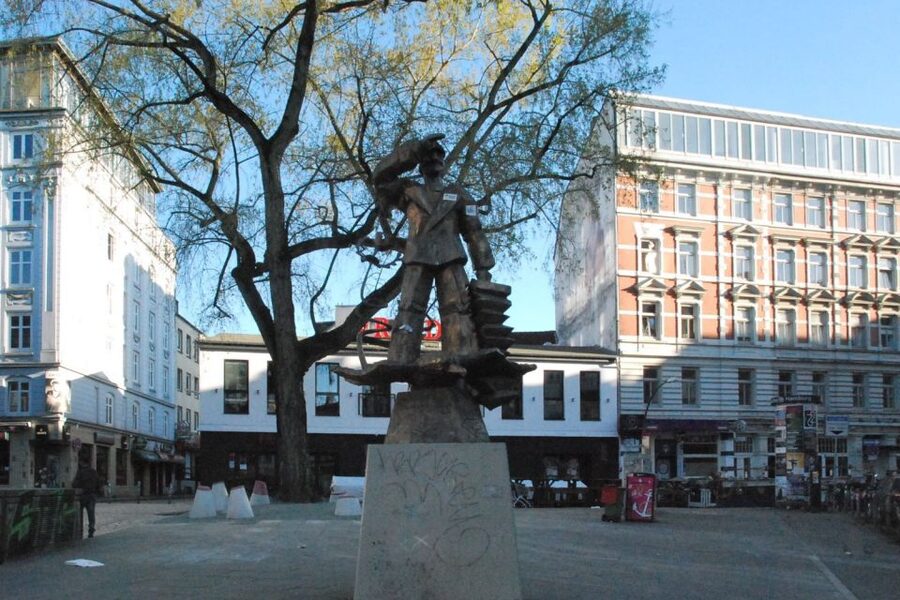
The next big stop is the Reeperbahn, the central spine of St. Pauli. In daylight, it feels different than the famous stories. You see people shopping, walking, and grabbing coffee. You also see the adult venues that keep the street’s identity obvious.
The guide’s job here is to connect the street’s present look with earlier chapters. Expect stories about sailors who once spent nights here, and about the colorful characters who helped shape the neighborhood’s reputation. Even if you already know the headlines, you will learn how the social mix worked on the ground.
If you like urban history, you will appreciate this part because it shows how entertainment districts evolve. They rarely disappear. They change who controls the vibe, what gets sold, and what kind of fame attaches to the street.
Another way to spend a few hours in Hamburg:
- Hamburg: Sex and Crime in St. Pauli Tour for Ages 18+
★ 4.7 · 15,447 reviews - Hamburg: 1.5-Hour Harbor and Speicherstadt Day Cruise
★ 4.6 · 14,200 reviews - Hamburg: 90-Minute Evening Lights Harbor Cruise
★ 4.5 · 7,728 reviews - Hamburg: 2-Hour XXL Port of Hamburg Cruise Tour
★ 4.7 · 6,979 reviews
Davidwache police station: why this building matters
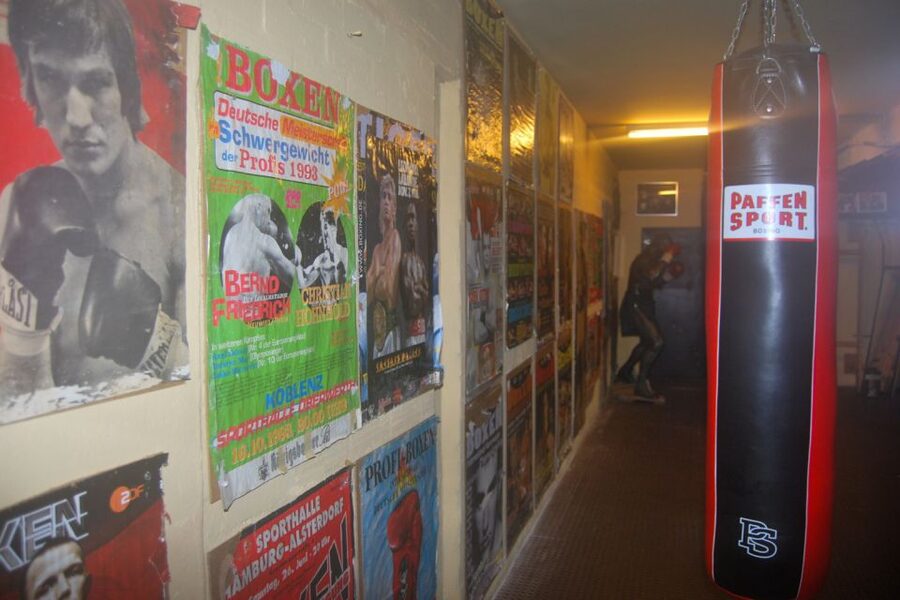
You will get another look at Davidwache as an official stop, not just a meeting point. The emphasis is on the police station’s connection to local order, reputation, and the public story of St. Pauli.
This is one of those landmarks that makes the tour feel real. You are standing at a building where enforcement happened, not at a generic tourist sign. The guide’s explanations help you understand why certain scenes attracted attention in the first place, and how authorities tried to manage what the neighborhood produced.
A small practical tip: if you want photos, time it for a clear moment. This corner gets foot traffic, especially when more people are out for the daytime scene.
Herbertstraße: the most famous street, explained without fog
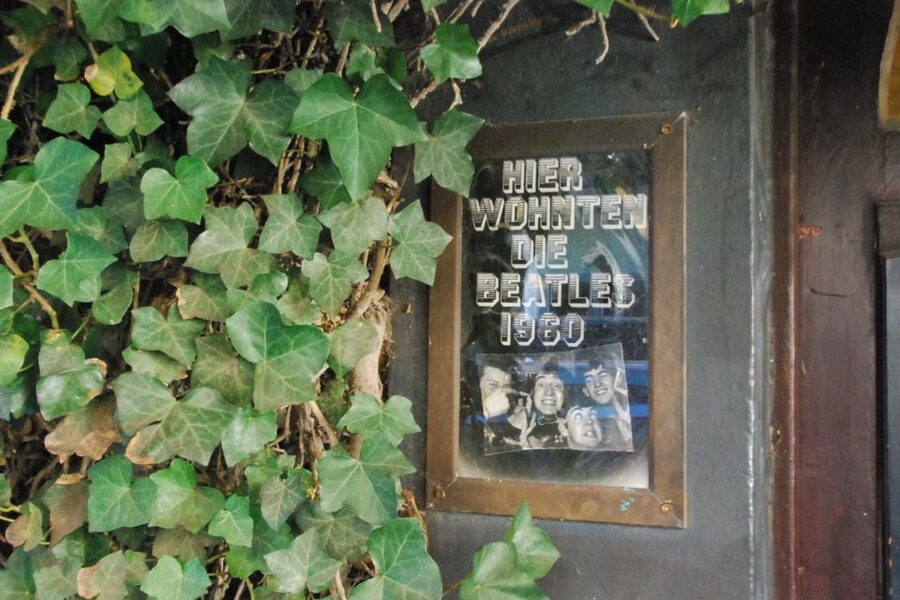
The highlight stop is Herbertstraße, widely known as the most sinful place in Hamburg. This is where the tour shifts from general neighborhood history into a focused conversation about sex work.
What I find most useful in a good guide-led walk is tone. You want clear, factual context, not sensational preaching. Here, the approach is about history and how the street became what it is. You also learn why the subject has been scandalous and debated for so long, and how sex work fit into a larger entertainment and tourism economy.
Even in daylight, you will see why the street’s name carries weight. Still, the guide keeps bringing you back to the broader story: how social attitudes, economics, and policing interacted over time.
If you are sensitive to adult themes, this is the part where you decide how you want to handle it. You do not need to stare at anything to understand the history. You can keep your eyes on the guide, the architecture, and the street layout, and treat it like cultural history.
Hans-Albers-Platz and the Beatles connection on St. Pauli
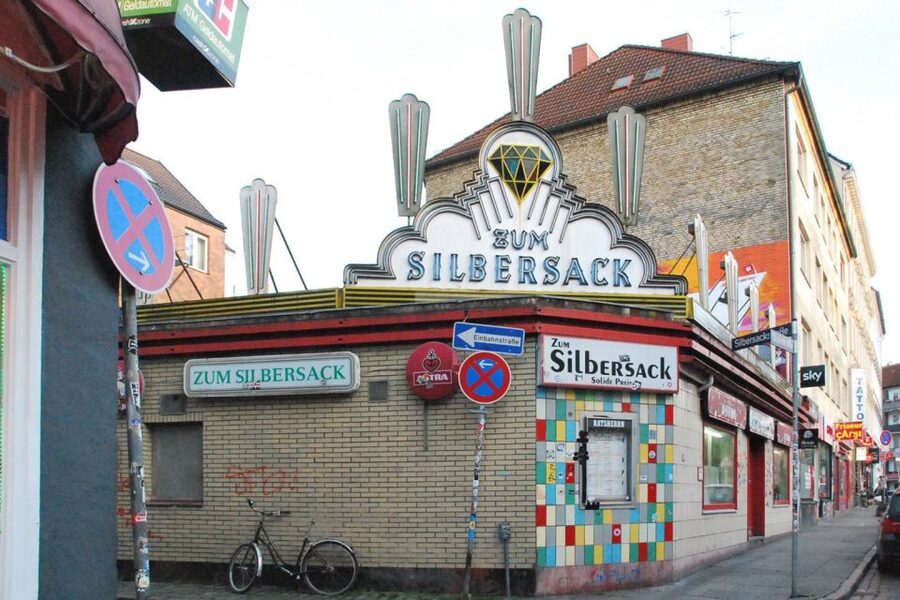
After Herbertstraße, the walk moves to Hans-Albers-Platz. This is where St. Pauli starts to feel like more than a red-light destination. It is part of Hamburg’s identity as a performance city.
Hans Albers is a key name for this area, and the guide connects the neighborhood to the kind of show-business energy that helped define it. If you enjoy hearing how famous people and local streets interact, you will like this stop.
Then you continue toward Große Freiheit, another major entertainment street. The Beatles connection is a big part of why people care. The guide helps you connect the dots between the early music scene and the specific streets where performers and fans moved.
Even if you already know the Beatles story, it becomes more concrete when you link it to actual blocks and landmarks. You stop thinking of the band as an abstract success and start picturing the street-level world that fed that fame.
Following Olivia Jones and the neighborhood’s club culture
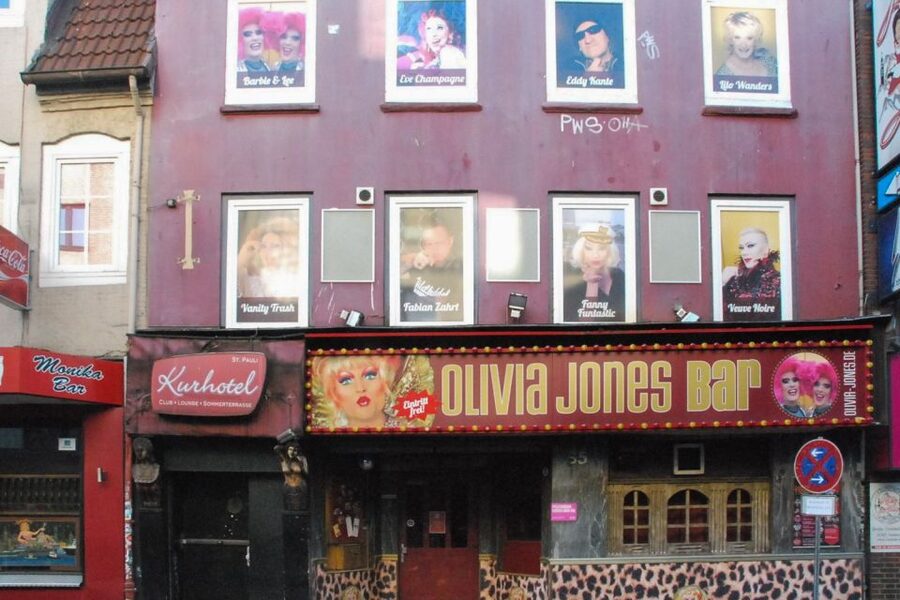
St. Pauli is tied to performers, and the tour does not treat that as trivia. You will hear about Olivia Jones and the kind of legendary clubs and venues that became part of the district’s cultural footprint. You may also hear name-checks like the Dollhouse, which matters because it points to how established the performance and nightlife scene became.
I like this portion because it shifts your thinking from scandal to community. Yes, there is adult commerce here. But there is also the human side, the performing side, and the way artists used St. Pauli’s fame and freedom to build careers.
You also get a sense of how a neighborhood can carry multiple identities at once. In St. Pauli, entertainment, controversy, law enforcement, and pop culture sit on top of each other in the same small area. A walking tour is a smart way to experience that layering, since you cannot really feel it from a single view.
What the guide does best: thrilling, humorous, and specific
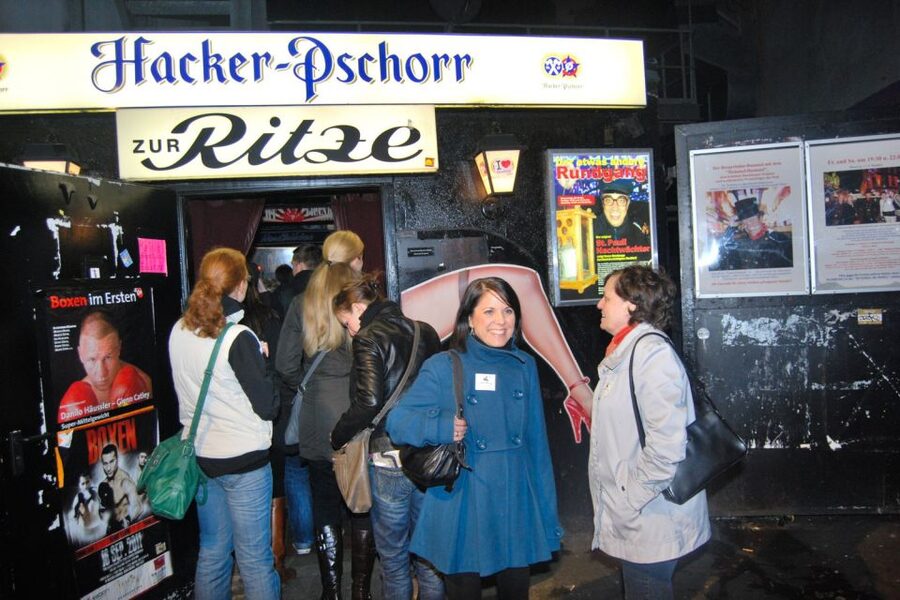
A big reason this tour earns strong ratings is the style of storytelling. The tone is described as thrilling and humorous, and that matters because St. Pauli’s subject matter can go one of two ways: dry history or awkward shock.
Here, you should expect stories told firsthand by the guide, with a mix of entertainment and clear explanation. That is how you go from seeing streets to understanding why people remembered them. It is also how you keep the walk moving, since an hour goes fast once you are actively listening.
If you are the type who likes quick, memorable facts, this is a good fit. The stops are iconic, but the payoff is how the guide connects them into a coherent picture.
Practical tips for walking the Reeperbahn area comfortably
This is a short tour, but the street environment is still active. Plan on taking it slow in places where crowds thicken. Keep your phone handy, but avoid blocking sidewalks for photos.
Wear comfortable shoes, because you will be walking the whole hour. Also, expect uneven spots and lots of pedestrian movement. This tour is not listed as wheelchair accessible, so for anyone with mobility needs, you may want to look at other options that match your pace.
If you want to take notes, do it between stops. During the stop discussions, focus on the guide’s words and where you are standing. It makes the story click faster, especially when the tour ties landmarks together like Davidwache, Herbertstraße, and Große Freiheit.
Finally, remember this is a daytime walk through an adult district. That does not mean you need to be uncomfortable, but it does mean you should be respectful, keep your tone normal, and let the tour teach rather than turn it into a spectacle.
Who should book this St. Pauli daytime tour, and who might skip it
You should book if you want a guided way to understand St. Pauli beyond the stereotypes. It is ideal if you like city history with real street context, or if you want to connect the neighborhood to music and performers like the Beatles, Hans Albers, and Olivia Jones.
It is also a good choice if you are short on time. One hour covers a lot of famous ground, and the route focuses on major landmarks like Davidwache, Herbertstraße, and Große Freiheit.
You might skip it if adult themes will really stress you out, even in daylight. You do not have to seek out anything, but Herbertstraße is the central focus. Also, if you cannot do a continuous standing and walking hour, this one is not set up for wheelchair users.
If you are visiting for broader Hamburg sightseeing, treat it like a focused mini-course on a neighborhood that has strongly shaped the city’s entertainment identity.
Should you book St. Pauli: Daytime Tour?
Yes, if you want a compact, English guided walk through the parts of Hamburg that people talk about but rarely explain well. At $19 for 1 hour, the price feels fair for what you get: landmark coverage plus history and humor tied to names you already recognize.
I would book it if you like learning through streets, not museum rooms. You come away with a better sense of why Reeperbahn and Herbertstraße mattered, and how that story connects to performers and pop culture.
I would hesitate if you dislike adult district settings or if your mobility limits make a walking tour difficult. In that case, you may enjoy other Hamburg neighborhoods with less adult-focused content.
If you do book, show up with good shoes, keep your head up, and let the guide do the connecting. St. Pauli is easier to understand when someone points out what you are looking at.
FAQ
How long is the St. Pauli daytime tour?
The tour lasts 1 hour.
What does it cost?
The price is $19 per person.
Where does the tour start?
The meeting point is Polizeikommissariat 15, known as Davidwache. The guide waits directly at the Davidwache.
Where does the tour end?
It ends back at the meeting point area, with the listed finish at Reeperbahn 174, 20359 Hamburg, Germany.
Is the tour offered in English?
Yes, the live tour guide speaks English.
What should I bring?
Comfortable shoes are recommended.
Is it wheelchair accessible?
No, it is not suitable for wheelchair users.
Is there free cancellation?
Yes, you can cancel up to 24 hours in advance for a full refund.
Recently added around Hamburg
- Hamburg Private Food Tours with a Local: 100% Personalized★ 5.0 · 3 reviews
- The Beatles on St. Pauli★ 5.0 · 3 reviews
- Short walk St. Pauli – the St. Pauli quickie★ 5.0 · 3 reviews
- Private Tour: Hamburg St Pauli Nightlife District★ 3.5 · 3 reviews
- Private Tour: Speicherstadt and HafenCity Walking Tour in Hamburg★ 5.0 · 4 reviews
- Hamburg: Safari Tour in St. Pauli★ 5.0 · 3 reviews
- Private Hamburg rickshaw tour for 2 people★ 5.0 · 3 reviews
- Hamburg Like a Local: Private and Personalized Experience (3hrs)★ 5.0 · 3 reviews
Reeperbahn & St. Pauli Tours, compared.


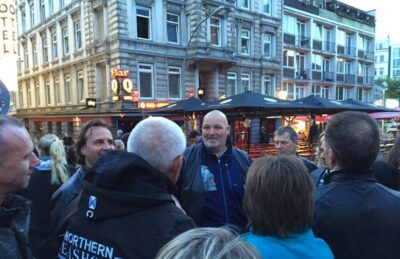
In the Footsteps of “Olivia” Reeperbahn Tour
Read our review →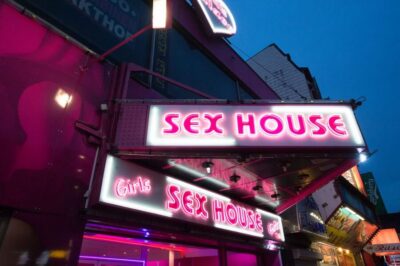

Panik City Udo Lindenberg Multimedia Experience
Read our review →
St. Pauli Nightlife Tour with Drag Queen in German
Read our review →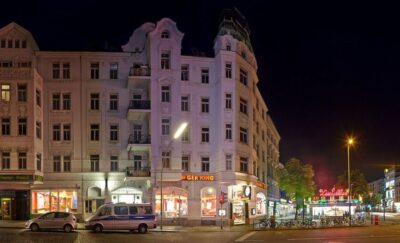
Browse the lists this tour appears in