

Reviewed · SPEICHERSTADT & HAFENCITY TOURS
Hamburg: Speicherstadt Historical Guided Walking Tour
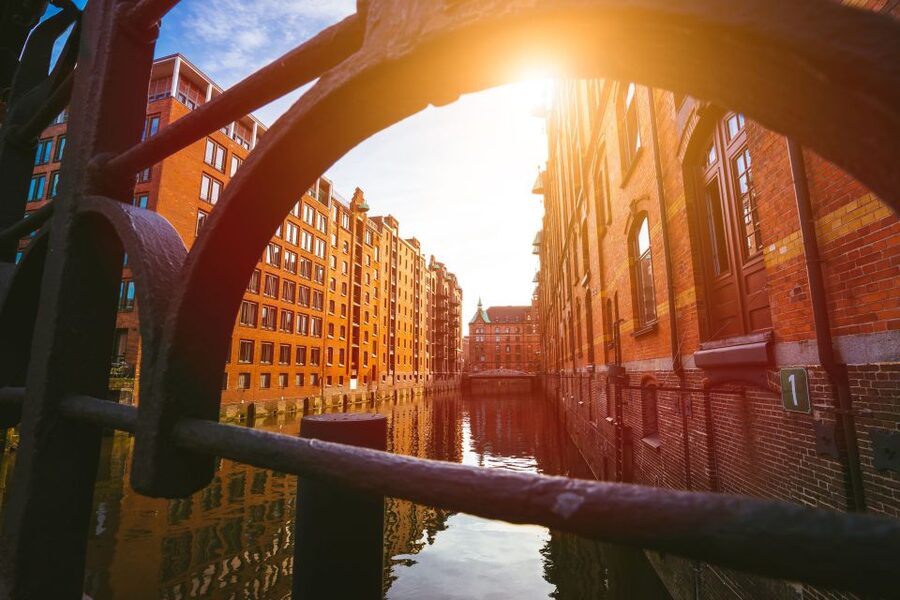
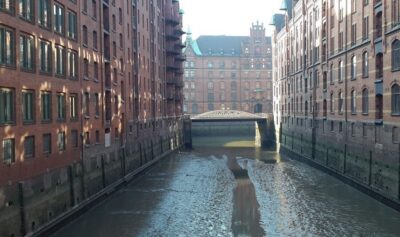
Hamburg’s Speicherstadt is interesting because the canal-side warehouse district was built for global trade, and it still looks like a place frozen in time. You get that UNESCO World Heritage feeling fast, then you slow down to read the Speicherstadt buildings up close.
I love how the tour turns architecture into a story. You follow the clues in the design, including hidden alcoves and tucked-away courtyards that feel made for business privacy. I also love the trade angle, with examples like duty-free coffee and carpets, and how early merchants connected Hamburg’s locals to worldwide economics.
One possible drawback: this is a two hour walk in real weather. It covers about 2 to 3 miles, and the tour runs rain or shine, so plan for time on your feet.
Key highlights at a glance
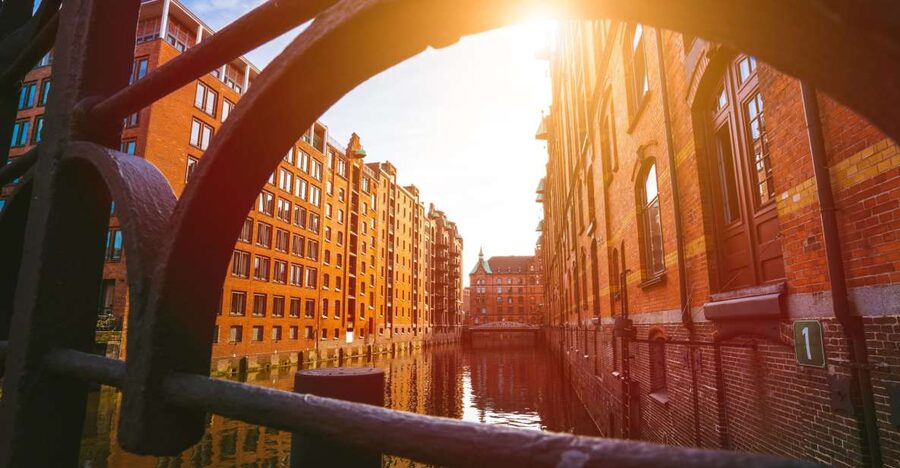
- UNESCO World Heritage setting: warehouse district sights made for slow looking
- Hidden architectural details: alcoves, courtyards, and quiet corners you might miss alone
- Trade stories with real goods: duty-free coffee and carpets put the economy on your map
- How Speicherstadt formed and why it mattered: the economic impact on Hamburg locals
- Local historian energy in German: guides such as Paul and Jana bring the facts with enthusiasm
- Comfort matters: two hours, about 2 to 3 miles, rain or shine, weather-ready clothes
UNESCO Speicherstadt, up close: what makes this walk worth your time
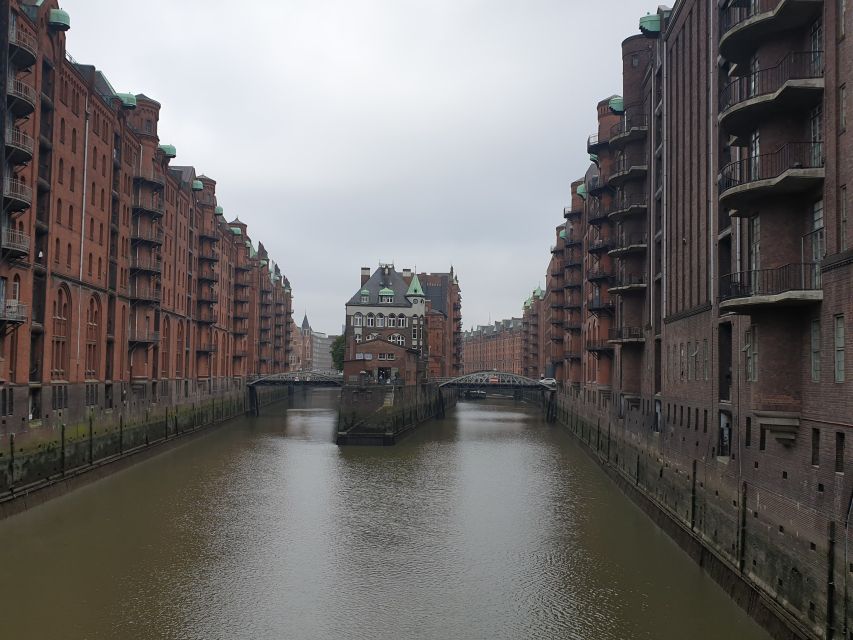
Speicherstadt is one of those places where the details matter more than the big postcard view. From the first minutes, you can tell it was built for a specific job. Thick walls, brickwork, canal edges, and warehouse fronts create a look that is both practical and oddly beautiful. A self-guided stroll is nice, but a guided walk helps you understand what you are looking at, and why it was designed this way.
The UNESCO part is not just a label. The area was shaped by commerce, storage, and the logistics of moving goods. As you walk, you start to see the district as an early business machine, not just a historic backdrop. That changes the whole mood. Instead of thinking of buildings as scenery, you see them as tools.
This tour is also structured for attention. You do not just pass through. You slow down at key points, and you get context for what you are seeing, including the formation of the Speicherstadt and the economic role it played for Hamburg residents.
More Speicherstadt and HafenCity tours:
- Hamburg: 1.5-Hour Harbor and Speicherstadt Day Cruise
★ 4.6 · 14,200 reviews - Hamburg: 1-Hour Harbor Sightseeing Cruise with HafenCity
★ 4.4 · 3,067 reviews - Hamburg: Elbphilharmonie Plaza and HafenCity Food Tour
★ 4.7 · 1,711 reviews
The trade history lesson: coffee, carpets, and global economics
What I like about this tour’s history angle is that it connects everyday trade to world-scale economics. You hear about early exotic goods that were bought, sold, and stored in the warehouse district. Examples given include duty-free coffee and carpets. The point is not to memorize a list of products. It is to understand why a port city like Hamburg turned storage, duty systems, and shipping into power.
You can think of it like this: goods did not move instantly. They needed reliable places to be kept, inspected, insured, and redistributed. Speicherstadt grew as part of that trade ecosystem. When the tour explains how the district was established, you start to understand the logic behind the brick-and-canal setting. You are watching a physical system for handling valuable cargo.
Another value here is the economic impact on locals. The tour does not stay abstract. It brings the story back to Hamburg’s people, showing how trade and the warehouse business shaped local life. Even if you know little about German economic history, the guide’s stories help you connect the dots. You leave with a clearer sense of how a city becomes important by building the infrastructure that lets commerce happen smoothly.
Architecture walk: the hidden alcoves and quiet courtyards you actually notice
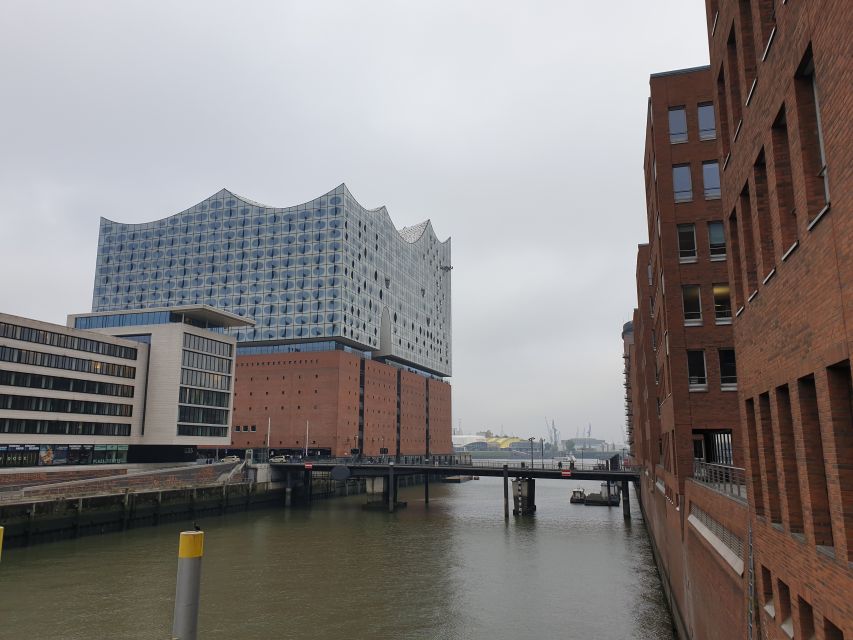
Speicherstadt’s architecture can look uniform at first, especially if you are used to seeing cities as streets and squares. The guide changes that. You start noticing the smaller moves in the buildings, the recesses and transitions that make the district more than a line of warehouses.
The highlights you will focus on include hidden alcoves and quiet courtyards. Those spots matter because they were designed for purpose. Courtyards can create controlled movement and privacy for internal work. Alcoves and sheltered niches protect materials and keep business operations running without turning everything into a public spectacle.
As you wander, you get the feeling that you are peeking behind the performance. You are not just looking at facades. You are learning how the layout supports storage and trade. This is also why the tour is worth doing with a local historian. They point out what you might ignore if you walk fast. You learn to slow down just enough to see the district as an operating environment.
If you prefer photos, this tour gives you better angles. You will have time to look toward courtyards and along architectural edges, not just from one main viewpoint. It is the difference between taking images and actually understanding the space.
Your guide experience in German: what you can expect from Paul and Jana
The tour runs with a live guide in German. That matters because the storytelling is not just an audio layer over walking directions. It is the core of the experience.
From the way the tour is described, you should expect a seasoned historian who explains facts with anecdotes, and then ties those facts to what you see in front of you. People mention guides such as Paul and Jana, and they are praised for being genuinely enthusiastic and informed. You should also be prepared for a more conversational style, where the guide stops your momentum briefly to explain why a feature exists.
There is one extra practical note in the same spirit of being well guided. A guide may even build in a quick restroom stop at some point, which is surprisingly helpful on a two hour walk. It is not something to count on, but it tells you the leaders are thinking about comfort, not just speed.
If your German is basic, you can still enjoy the visual parts. But your best value comes when you can follow the narrative. If you want to learn, listen for the cause-and-effect: how the district was created, what it enabled, and how it changed local economics.
More history tours in Hamburg:
- The Local Tour of Hamburg Historic Centre
★ 5.0 · 1,058 reviews - Hamburg: Historical Tour of the St. Pauli Sex Work District
★ 4.4 · 215 reviews - Hamburg: UNESCO-World Heritage Sites Tour
★ 4.7 · 137 reviews - Sightseeing Tour – Free Tour – Historic Center-Hamburg On Foot
★ 5.0 · 112 reviews
The pacing and route feel: two hours, about 2 to 3 miles
This tour is two hours long and includes about 2 to 3 miles of walking. That is a reasonable distance for most visitors, but it is not a sit-and-look kind of experience. The pacing is meant to give you time to stop, then move on. If you like to keep a brisk tour rhythm, you’ll likely feel happy with the structure.
The walking also happens rain or shine. That is common in Northern Europe, but it is still worth planning for. Comfortable shoes are not optional. Bring water and wear weather-appropriate clothing, because the tour does not pause just because the sky changes its mind.
One more planning detail: the tour does not end where it begins. That is typical for a walking tour that crosses an area logically, but it affects how you plan your afternoon. Before you book, I recommend checking what you want to do next and making sure you are not relying on returning immediately to the starting point.
For mobility limitations, this is not suitable. The tour is described as not suitable for people with mobility impairments, so take that seriously. If you need accessibility, you should look for a different format or a route designed for easier movement.
Price and value: why $29 can work out well here
At $29 per person for a two hour, guided historian walk, the price is in the reasonable range for a specialized experience. The value comes from what is included: a local historian guide and a tour brochure. That means you are not just paying for someone to lead you through streets. You are paying for interpretation, context, and a guided narrative that connects the warehouse setting to trade history.
Also, the district itself is a major attraction. If you visit Speicherstadt on your own, you can certainly admire the buildings. But you are more likely to walk past the smaller architectural clues and miss the economic story that explains why the district looks the way it does. Here, the guide helps you connect design choices to trade needs.
Not included items are simple: food and drinks, and transportation. That is normal for walking tours. I see this as a good thing, because it keeps the tour time focused. You can eat on your schedule before or after, without being locked into a fixed stop.
If you are traveling with limited time in Hamburg, this is a strong way to buy understanding quickly. Two hours is enough to see the district’s key character, especially with stops for explanation, without draining the rest of your day.
Practical tips so you enjoy the walk more
Here is how I would prep, based on what the tour requires and what tends to make a difference in comfort.
What to bring
- Comfortable shoes with grip
- Weather-appropriate clothing, since it runs rain or shine
- Water
What to know upfront
- Pets are not allowed
- The tour is in German
- You will walk about 2 to 3 miles
- It does not end where it begins
For the German language piece, if you do not speak much, do not panic. You can still enjoy the architecture and the overall storyline. But it helps to have a few basic phrases, or at least be ready to listen for keywords like trade, storage, and economy as the guide links them to different points in the district.
Also, plan your timing so you are not rushing to a train right after the tour ends. Since the ending point is different from the start, you want a buffer to get your bearings.
Pairing it with the rest of Hamburg: how to place Speicherstadt in your day
If Speicherstadt is new to you, I suggest treating it as an anchor stop rather than a quick detour. After the tour, you will likely want extra time to look back at what you learned. The district can feel more meaningful when you go back for a slower look on your own, even if it is just 20 to 30 minutes.
In terms of day planning, think about energy. Two hours walking plus rain readiness means you may prefer a lighter next activity, like a café break or a relaxed stroll nearby. The tour itself gives you a lot of context, so you can take that knowledge and enjoy other parts of Hamburg without feeling like everything is a blur.
Who should book, and who should skip
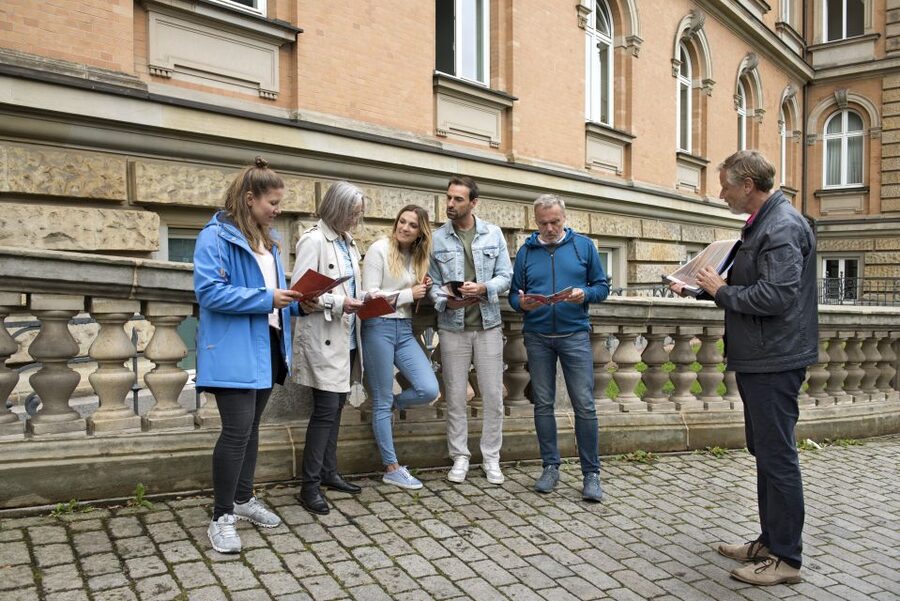
Book this tour if you want:
- A guided approach to Speicherstadt, with a historian who explains why the district exists
- A focus on architecture details like hidden alcoves and courtyards
- Trade history explained through concrete examples like duty-free coffee and carpets
- A two hour plan that fits well into a busy Hamburg itinerary
Consider skipping if:
- You need an accessible walking route, since the tour is described as not suitable for mobility impairments
- You prefer very long resting breaks, since this is still about 2 to 3 miles of walking
- You do not speak German at all and you want most of the value to be in understanding every sentence
If you are the kind of traveler who likes your history with physical context, you will get more from this than a checklist-style sightseeing loop.
Should you book the Hamburg Speicherstadt Historical Guided Walking Tour?
Yes, if your goal is to understand what you are seeing in Speicherstadt and why it mattered. The combination of UNESCO setting, architecture stop points, and an economics-focused trade story makes this feel like more than a scenic walk. At $29 for two hours, with a local historian and brochure included, it is a solid value for visitors who want meaning, not just photos.
If German is a barrier, go anyway only if you are comfortable with a visual-first experience and listening for the big themes. If you need accessibility accommodations, look for a different option. For everyone else, pack good shoes, dress for rain, and plan for a two hour walk that will make Speicherstadt click in your head.
FAQ
How long is the Speicherstadt historical walking tour?
The tour lasts 2 hours.
How much walking is involved?
It includes approximately 2 to 3 miles of walking.
What language is the tour guide speaking?
The live tour guide speaks German.
Is food or drinks included in the price?
No. Food and drinks are not included.
Does the tour run in bad weather?
Yes. The tour takes place rain or shine.
Does the tour end where it begins?
No. The tour does not end where it begins.
Are pets allowed?
No, pets are not allowed.
Can I get a full refund if I cancel?
You can cancel up to 24 hours in advance for a full refund.
Recently added around Hamburg
- Hamburg Private Food Tours with a Local: 100% Personalized★ 5.0 · 3 reviews
- The Beatles on St. Pauli★ 5.0 · 3 reviews
- Short walk St. Pauli – the St. Pauli quickie★ 5.0 · 3 reviews
- Hamburg: Safari Tour in St. Pauli★ 5.0 · 3 reviews
- Private Tour: Hamburg St Pauli Nightlife District★ 3.5 · 3 reviews
- Private Tour: Speicherstadt and HafenCity Walking Tour in Hamburg★ 5.0 · 4 reviews
- Hamburg Port Promenade Tour★ 4.0 · 3 reviews
- Private Hamburg rickshaw tour for 2 people★ 5.0 · 3 reviews
Speicherstadt & HafenCity Tours, compared.

1.5-Hour Harbor and Speicherstadt Day Cruise
Read our review →
1-Hour Harbor Sightseeing Cruise with HafenCity
Read our review →
Elbphilharmonie Plaza and HafenCity Food Tour
Read our review →

Browse the lists this tour appears in