
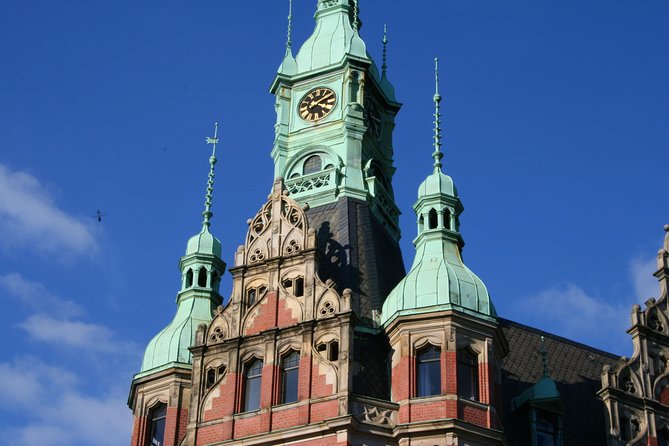
Reviewed · SPEICHERSTADT & HAFENCITY TOURS
UNESCO World Heritage – Speicherstadt and Kontorhaus district
Hamburg’s UNESCO World Heritage area in the Kontorhaus district is a smart way to understand the Hanseatic mindset, brick by brick, business by business. I love how this tour gets up close to working office architecture rather than treating the buildings like museum props, and I also love the chance to see courtyards and staircases from the 1920s on weekdays. One possible drawback: Hamburg street noise can make it harder to hear the guide clearly if you’re not in the right spot.
The route is short, about 2 hours, and it starts at Jakobikirchhof 8 and ends at the International Maritime Museum area, Koreastraße 1. You get a mobile ticket, a group capped at 25, and the first three major buildings have free admission tickets tied to the visit, so you can spend your money on one thing: time well spent in the city.
The biggest consideration is timing. The tour begins at 3:00 pm, and the staircase access tied to the early office buildings is only possible on weekdays, so if you’re visiting on a weekend, plan for more exterior viewing and less inside stair time.
Key things you’ll notice on this UNESCO Kontorhaus walk
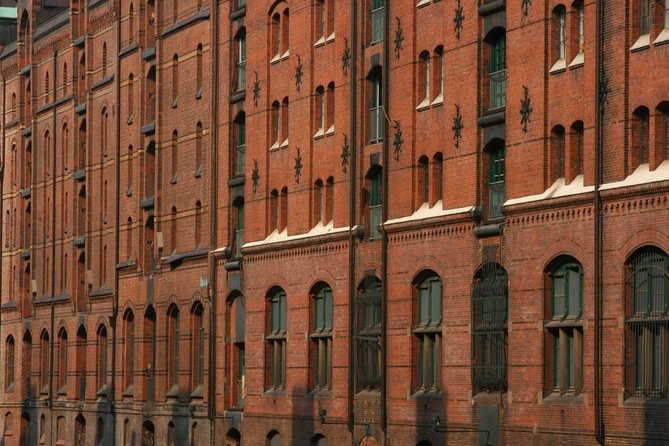
- Sprinkenhof’s courtyards and facades, including the feel of a massive office complex built for daily movement
- Chilehaus by Fritz Höger, famous for its striking silhouette and detailed brickwork, tied to the nickname Klinkersticker
- Messberghof’s round staircase, paired with a serious story from the National Socialism era
- Free admission for the first three architectural stops, which helps you keep the experience budget-friendly
- Weekday-only staircase access for the dramatic 1920s office-building interiors
Why Hamburg’s UNESCO Speicherstadt and Kontorhaus district is worth your time
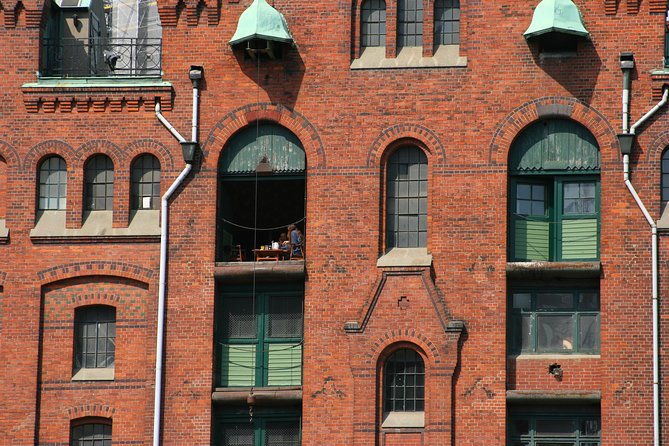
The UNESCO designation here isn’t just a label. It’s a snapshot of how Hamburg turned commerce into architecture. In the Kontorhaus district, you see offices designed for trade-era efficiency, with courtyards that kept the workday functioning and facades that made a statement on the street.
What I like about this tour style is that you don’t just learn names. You get pointed at the details that make these buildings work. That matters because Kontorhaus buildings can look like “pretty brick” until someone shows you how the geometry, courtyards, and circulation were designed for real life.
You also get a sense of the contrast within the area. Some buildings feel optimistic, built to impress customers and keep business flowing. Others carry heavier chapters. Messberghof is a good example, where the architecture becomes a starting point for thinking about what happened to Germany and how public spaces and institutions can be repurposed.
If you’re in Hamburg for a short stay, this is a clean way to get your bearings quickly. You’ll walk away with a mental map of why the district is UNESCO-worthy, not just which building is famous on postcards.
More Speicherstadt and HafenCity tours:
- Hamburg: 1.5-Hour Harbor and Speicherstadt Day Cruise
★ 4.6 · 14,200 reviews - Hamburg: 1-Hour Harbor Sightseeing Cruise with HafenCity
★ 4.4 · 3,067 reviews - Hamburg: Elbphilharmonie Plaza and HafenCity Food Tour
★ 4.7 · 1,711 reviews
Price and timing: what $21.34 buys you in the real world
At $21.34 per person for a roughly 2-hour guided walk, you’re paying for more than a route on a map. You’re buying interpretation, the kind that helps you read the buildings without a guide standing next to you in your own head.
Value gets even better because the first three stops include admission tickets marked as free. That reduces the usual “add-on costs” problem that can happen with architecture tours. The Internationales Maritimes Museum Hamburg is viewed from the outside, and its admission is not included, so you’re not paying to enter a museum when the experience is built around exterior and key architectural viewpoints.
This tour starts at 3:00 pm. That’s useful because late afternoon light can flatter brick and reveal texture. It can also be busier, so keep an eye on where you stand during the explanations.
One practical note: the tour is capped at 25 travelers. In a district like this, group size affects how well you can hear and how easily you can stop at building corners without turning the sidewalk into a traffic jam.
Sprinkenhof: the big office block that teaches you how the whole district thinks
Sprinkenhof is where you feel the scale of Hamburg’s office-building ambitions. It’s described as the largest office building with courtyards, staircases, and facades, and that is exactly the point. This is not a small, decorative building. It’s a system.
What you’ll enjoy here is the way courtyards create a rhythm. Even if you only glimpse them from the planned viewing areas, you start to understand why these complexes could house businesses without losing circulation and light. You also get to look at the facade planning, which helps you see why Kontorhaus buildings were meant to be legible on the street, not hidden behind warehouses.
The staircases are a key part of why this tour appeals to architecture lovers. You can see breathtaking staircases of the 1920s only on weekdays, which means your calendar affects what you get. If you’re touring on a weekday, pay attention when the guide points out how you move through the building, because that motion is part of the design story.
Drawback to keep in mind: in the city center, sound can be tricky. If you find you’re at the edge of a group stop, you might have trouble catching every detail. Aim to be close to the guide and don’t assume that loud streets will get quieter just because the buildings are impressive.
Chilehaus and Fritz Höger: brickwork, a bold silhouette, and the nickname Klinkersticker
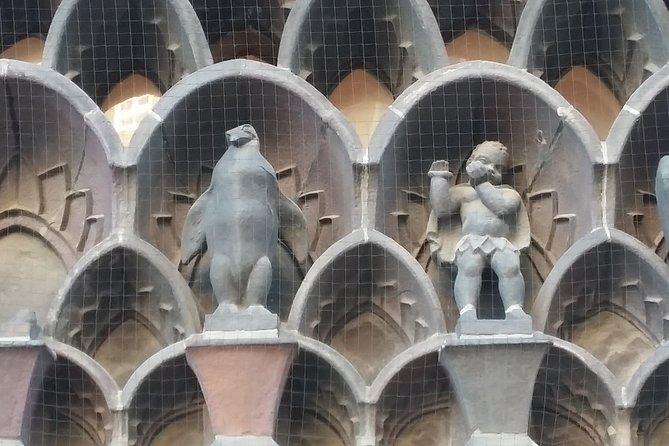
Chilehaus is the headline stop. This is a world-famous Kontorhaus with a striking top, built in brick by Fritz Höger, and he even earned the nickname Klinkersticker because of the filigree architecture.
Here’s why this stop matters for your understanding. When you only view Chilehaus from far away, you might notice the dramatic shape. But up close, you’ll start to see how the brick design behaves like a kind of detail-writing. That’s the Klinkersticker idea in practice. The building is not just a big form; it’s a carefully made surface.
This also pairs well with the World Heritage angle. You’ll spend time focused on why Chilehaus is such a recognizable symbol of the district. If you like architectural interpretation, this is the moment where everything starts to click: the district’s “business identity” becomes visible in brick and structure.
One more practical plus: Chilehaus is linked with the UNESCO World Heritage Centre, which is a helpful place to orient yourself before or after the walk. Even if you don’t go inside on the tour itself, it helps you extend the experience in the direction you care about, like deeper history or more architectural background.
If you’re short on time, Chilehaus is the stop I’d personally prioritize. It offers maximum visual impact for minimal effort.
More history tours in Hamburg:
- The Local Tour of Hamburg Historic Centre
★ 5.0 · 1,058 reviews - Hamburg: Historical Tour of the St. Pauli Sex Work District
★ 4.4 · 215 reviews - Hamburg: UNESCO-World Heritage Sites Tour
★ 4.7 · 137 reviews - Sightseeing Tour – Free Tour – Historic Center-Hamburg On Foot
★ 5.0 · 112 reviews
Messberghof: the round staircase and the weight of 20th-century history
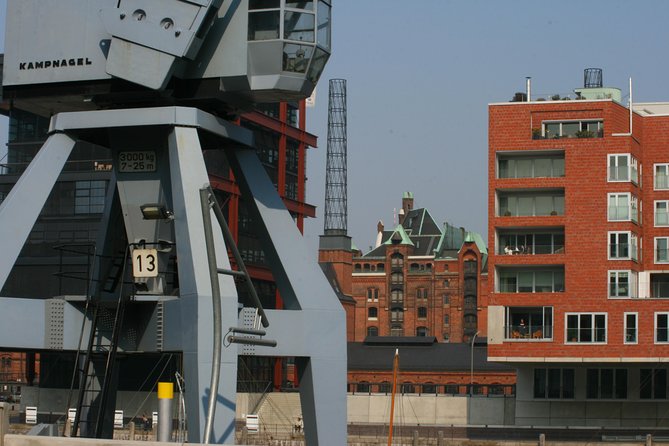
Messberghof is where architecture and historical reality meet more directly. This Kontorhaus includes a round staircase, and the building also comes with a turbulent history during the National Socialism era.
The round staircase is important because it breaks the idea that everything in these districts is only about sharp angles and straight lines. You’ll likely notice how circular forms create a different sense of movement, and the guide’s explanations help you connect that form to function.
Then the tour brings in the harder part of the story. Messberghof reminds you that buildings can outlast regimes and still carry traces of what happened. Even if your instinct is to focus only on aesthetics, this stop gives you a fuller picture of why studying architecture in Germany includes context, not just style.
Timing note: the visit here is brief, about the same length as the other architectural stops. That can be good, because it prevents the tour from dragging, but it also means you should pay attention when the guide shifts from describing the physical features to describing the historical impact.
If you’re the type of traveler who likes museums but also likes to walk, this stop hits a sweet spot. You’re learning while moving through the city.
Internationales Maritimes Museum Hamburg: a strategic finish with a maritime anchor
The tour ends with the Internationales Maritimes Museum Hamburg from the outside. Admission isn’t included here, so you’re not expected to pay museum entry as part of the tour price.
Why this ending works: it brings the story back to Hamburg’s identity. This city isn’t only about offices and brick. It’s about the port, trade, and global movement, and the maritime museum location is a natural transition from the business district to Hamburg’s shipping narrative.
I like endings like this when I’m doing architecture walks. You finish with a recognizable landmark and an obvious next step, even if that next step is simply a walk around the surrounding area before dinner.
If you want the most value, use the last minutes to orient yourself. The end point is International Maritime Museum Hamburg, Koreastraße 1, and from there it’s often easier to plan your next move.
Who should book this UNESCO architecture walk, and who might not
This tour is a strong fit if you care about architecture, you want a quick UNESCO orientation, and you enjoy learning how buildings were designed for work. It also suits travelers who like clear, scheduled pacing, since the tour is planned around a handful of key buildings and you’re not stuck on a long, slow route.
It’s also a good choice if you’re visiting Hamburg for the first time. You get the big names tied to the UNESCO story, plus practical viewing of courtyards and staircases when conditions allow.
Who might hesitate? If you’re very sensitive to audio issues in noisy street corners, you might find it hard to catch every word, especially if there’s no microphone. And if you’re traveling on a weekend, remember that the dramatic 1920s staircase access is only possible on weekdays, so your experience may lean more toward exterior viewing.
Tips to get the most out of the Kontorhaus districts
- Pick a spot where you can hear. Stop points are often on busy sidewalks, so being slightly closer to the guide makes a big difference.
- If you travel on a weekday, treat staircase access as the centerpiece. Arrive ready to pause, look up, and follow the guide’s movement cues.
- Wear shoes you can walk in. This is a focused walk through several district points, not a sit-and-chat experience.
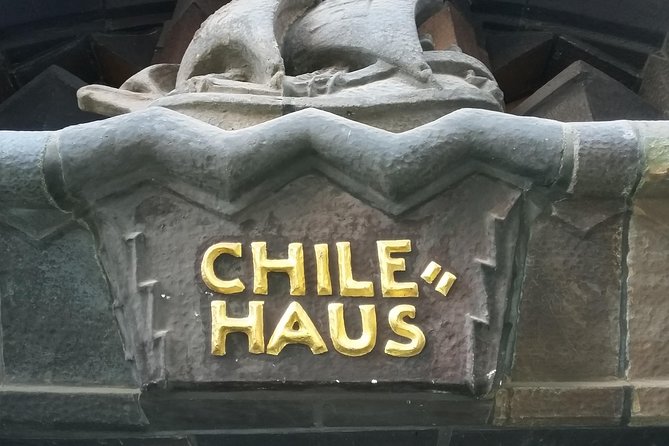
- Use Chilehaus as your anchor point for deeper exploration. Even if you don’t add extra stops on the same day, having the UNESCO World Heritage Centre nearby can help you keep momentum.
- If you’re building a day plan, schedule this earlier in your afternoon. The 3:00 pm start time works well because you still have daylight for independent wandering afterward.
Should you book UNESCO World Heritage Speicherstadt and Kontorhaus district?
If you want a short, high-impact introduction to Hamburg’s UNESCO office architecture, I think this is an easy yes. For the money, you get a focused guided story, and you get free admission for the key architectural buildings. The weekday staircase access is a real bonus for anyone who loves to see how buildings handle movement, not just how they look.
Book it if you’re excited by brick details, Fritz Höger’s reputation, and the contrast between polished business ambition and the heavier political history around Messberghof. Skip it or adjust expectations if you’re on a weekend, or if you know you struggle hearing spoken tours in busy city streets.
FAQ
How long is the UNESCO Speicherstadt and Kontorhaus district tour?
It runs for about 2 hours.
What time does the tour start?
The start time listed is 3:00 pm.
Where do I meet for the tour?
The meeting point is Jakobikirchhof 8, 20095 Hamburg, Germany.
Where does the tour end?
The tour ends at International Maritime Museum Hamburg, Koreastraße 1, 20457 Hamburg, Germany.
How much does it cost?
The price is $21.34 per person.
Do I need to pay for admission at the main stops?
Admission tickets are free for Sprinkenhof, Chilehaus, and Messberghof. The Internationales Maritimes Museum Hamburg is seen from the outside and admission is not included.
Is this tour ticketed digitally?
Yes, it uses a mobile ticket.
What’s the group size limit?
The tour has a maximum of 25 travelers.
Can I bring a service animal?
Yes, service animals are allowed.
Is it possible to see the staircases?
You can see the staircases of the office buildings from the 1920s only on weekdays.
Recently added around Hamburg
- Hamburg Private Food Tours with a Local: 100% Personalized★ 5.0 · 3 reviews
- The Beatles on St. Pauli★ 5.0 · 3 reviews
- Short walk St. Pauli – the St. Pauli quickie★ 5.0 · 3 reviews
- Private Tour: Hamburg St Pauli Nightlife District★ 3.5 · 3 reviews
- Private Tour: Speicherstadt and HafenCity Walking Tour in Hamburg★ 5.0 · 4 reviews
- Hamburg: Safari Tour in St. Pauli★ 5.0 · 3 reviews
- Private Hamburg rickshaw tour for 2 people★ 5.0 · 3 reviews
- Hamburg Like a Local: Private and Personalized Experience (3hrs)★ 5.0 · 3 reviews
Speicherstadt & HafenCity Tours, compared.

1.5-Hour Harbor and Speicherstadt Day Cruise
Read our review →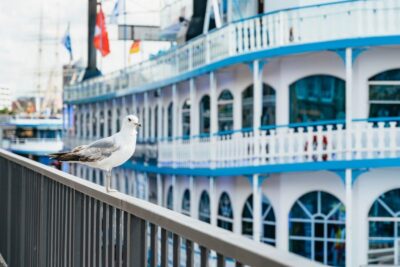
1-Hour Harbor Sightseeing Cruise with HafenCity
Read our review →
Elbphilharmonie Plaza and HafenCity Food Tour
Read our review →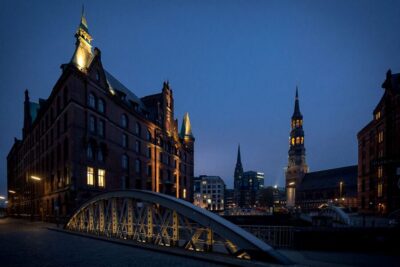


Browse the lists this tour appears in