
Reviewed · SPEICHERSTADT & HAFENCITY TOURS
Hamburg: Speicherstadt and Hafencity Guided Tour
Hamburg earns big points because you can jump time periods in a few blocks. This guided walk strings together three contrasts you do not normally get in one go: the bold Elbphilharmonie harbor landmark, the merchant-world of Speicherstadt, and the newer logic of HafenCity.
What I like here is the way the guide turns architecture into everyday commerce. You also get a practical route that mixes must-see exteriors with street-level details, including the model-rail stop at Miniatur Wunderland and the warehouse courtyards that used to run on trade, not sermons. One thing to consider: parts of the route include outdoor views along the harbor, so in winter you will want proper layers, because the tour still expects you to stand and look.
Key Highlights You’ll Appreciate on Day One
- Elbphilharmonie viewpoints that explain why the building feels like a crown over the harbor
- Speicherstadt trade stories tied to the Hanseatic League and the merchant nickname Pfeffersäcken
- Dutch Brook courtyards that show how money and logistics shaped daily life
- Miniatur Wunderland timing plus quick sight connections around the area
- Magellan Terraces perspective for a strong, across-the-water look at Speicherstadt
- HafenCity contrast with modern, environmentally minded buildings for a clean before-and-after feeling
Why This Hamburg Walk Works: Harbor Icons Plus Merchant Street-Level
This is the kind of tour that helps you understand Hamburg, not just check boxes. Instead of treating Elbphilharmonie, warehouses, and HafenCity as separate attractions, the route links them with the city’s core theme: movement of people, goods, and ideas through the harbor.
You start with the most instantly recognizable image in Hamburg now, the Elbphilharmonie. Then you step into Speicherstadt, where the buildings were engineered for storage, controlled humidity, and trade efficiency. Finally you finish in HafenCity, where the city shows how modern architecture tries to meet environmental expectations while still living next to the water. It is a tight loop, and that matters for value, because you get to cover a lot of ground in only two hours.
The tour is also built for real questions. People tend to get the most out of it when they ask, because some details depend on what you want to know, like how specific coffee and spice topics connect to the trading world.
More Speicherstadt and HafenCity tours:
- Hamburg: 1.5-Hour Harbor and Speicherstadt Day Cruise
★ 4.6 · 14,200 reviews - Hamburg: 1-Hour Harbor Sightseeing Cruise with HafenCity
★ 4.4 · 3,067 reviews - Hamburg: Elbphilharmonie Plaza and HafenCity Food Tour
★ 4.7 · 1,711 reviews
Meeting Point at Sandtorkai 74: Find the White Wall With the Hole
The meeting point is directly at Sandtorkai 74, right at the corner of Sandtorkai and Kaiserkai. You will meet on the square in front of the stairs, at the white wall with the hole in the middle.
This matters because the area is very visual and busy, especially near harbor streets. Give yourself a few minutes to find the exact corner, then let the guide’s group flow from there. If you are coming on a tight schedule, arriving early is your easiest win.
Also note the tour language is German and the guide is live. If you speak basic German, you will catch more. If not, you can still follow the big visual story, but the fine-grain context is better when you can understand the explanations.
Getting Your Bearings: How the Route Sets Up the Story
The tour’s smart trick is pacing. It does not start in Speicherstadt and then throw you to the future. Instead, it starts at the modern harbor icon and then walks you toward the older merchant zone, so the contrasts feel earned.
You begin around the Elbphilharmonie area and travel toward the Kaiserkai side. Along the way, you pass major “city mind magnets” that make Hamburg feel like a living place. For example, you go by the Miniatur Wunderland area, which is a fun pause point because it is not just a random stop. It helps you understand Hamburg’s taste for detailed, patient projects, from model rail to large-scale logistics.
Then the tour transitions into the goods-and-merchants theme, where coffee, spices, and trade warehouses make more sense than if you were dropped in alone.
Elbphilharmonie From the Outside: Why the Crown Shape Matters
Even if you do not buy a ticket for inside, you still get one of Hamburg’s strongest introductions here. You will see the Elbphilharmonie from the outside, and the guide explains what makes it a new landmark.
Think of it like this: Hamburg is a harbor city, so visibility is power. The Elbphilharmonie’s abstract façade and dramatic shape are designed to be noticed from afar, almost like a marker for the whole city’s presence on the water. When you stand in the right spot, it helps you understand why everyone uses it as a meeting point and photo anchor.
A practical note: because this is an exterior-view start, winter conditions can make it feel longer than two hours. If it is cold or windy, plan on wearing gloves and something warm enough that you can keep standing while the guide talks.
More Hamburg days worth comparing
- Hamburg: Elbphilharmonie Plaza Guided Tour
★ 4.7 · 5,882 reviews - Hamburg: Chocoversum Guided Tour with Tastings
★ 4.7 · 2,443 reviews - Hamburg: St. Pauli Highlights Guided Tour with Beer for 18+
★ 4.7 · 2,353 reviews - Hamburg: Guided Walking Tour for Magic Fans
★ 4.8 · 1,992 reviews
Miniatur Wunderland Area: A Fun Detour With a Serious Point
On this route, you move past the Miniatur Wunderland area, and yes, it is famous for being extremely detailed. The key is how the tour uses that detail as a bridge in your mind.
Miniatur Wunderland is about miniature worlds and huge effort. That makes it a good mental warm-up before you hit Speicherstadt, because Speicherstadt is also about precision and engineered storage. It was not built for romance. It was built to handle goods at scale. Seeing the model world first helps you appreciate the warehouse world later, because both are about how systems work when someone cares about details.
If you are a fan of small facts and big organization, this section tends to land well. It gives you a light moment without breaking the tour’s overall theme.
Coffee Roasting Plant and the Spice Museum: Why Trade Smells Like History
This is one of the more interesting stops on the path, because it connects commerce to everyday sensory life. You pass the old coffee roasting plant and the spice museum. That is not just a background detail.
In a harbor trading city, coffee and spices were not abstract “exotic goods.” They were products that traveled, were processed, and then turned into daily routines and profits. When the guide ties the warehouse architecture to these products, the whole area stops being a pretty photo and starts being a working machine in your head.
One caution comes from real-world timing. There is an opportunity for an on-the-ground break around this theme. If you feel you would rather hear more about how coffee roasting and sourcing works, go in with that mindset and be ready to ask questions. The explanations can vary depending on what people want to know, and asking tends to get you more specifics.
Walking Toward Speicherstadt: Pfeffersäcken and the Hanseatic League Lens
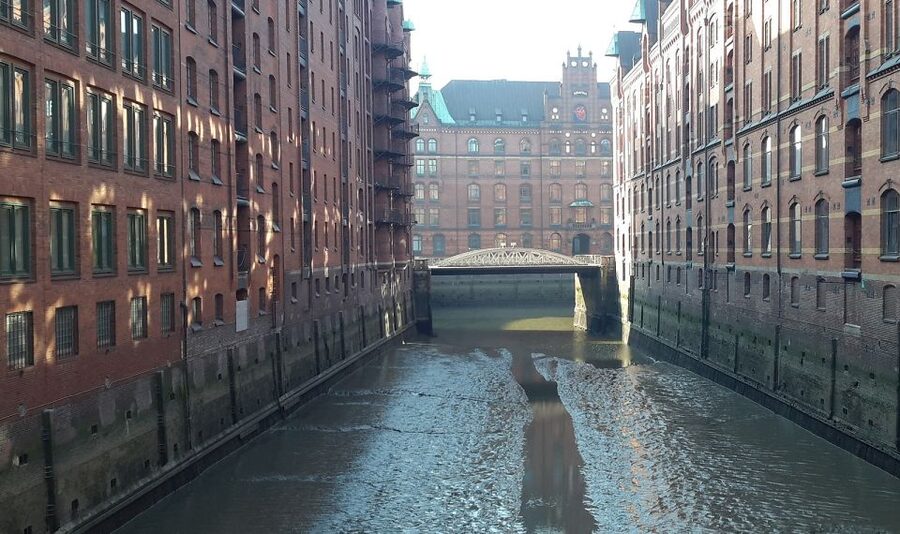
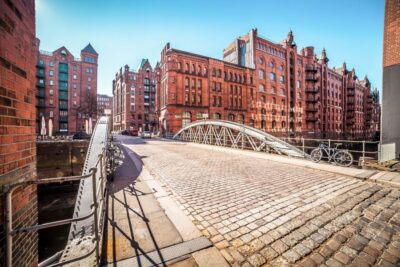
Now you get to the real payoff: Speicherstadt, the historic warehouse district. The guide focuses on what storage meant during the Hanseatic League and why the warehouses were so impressive for their purpose.
You follow in the footsteps of the Hanseatic merchants known as Pfeffersäcken. That name helps turn the district from a postcard into a story about people who handled trade at scale. Once you understand the merchants’ role, the buildings stop looking random. They start looking like tools.
The tour also emphasizes something important for how you interpret the space: Speicherstadt was shaped by trade and money, not by religion. You can see this in how the buildings are organized and how the “inner cathedral-like” courtyards function.
Dutch Brook Courtyards: How Merchants Ran the City Day to Day
One of the strongest mental images you take away is the courtyard layout along the Dutch Brook. The description of these spaces as cathedral-like is accurate in the sense that they create a sense of scale and atmosphere, but the point is that they were not built as churches.
They were built as commercial space. In other words, the courtyards helped manage business movement, storage routines, and the constant rhythm of loading, processing, and shipping. When you stand in the right view, you get why the architecture had to be big and strict. Trade needed order.
This is also where the best guide-style teaching really shows. If you want the tour to feel worth it, this is the moment to pay attention and ask questions like: how the warehouse design supported goods, or what daily work looked like for those merchants. The tour format is designed for those kinds of follow-ups.
Magellan Terraces: Best Across-Water Views for Speicherstadt
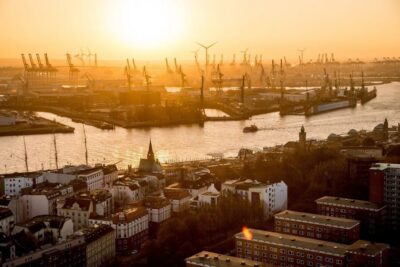
After you work through the warehouse story, the route includes a view point at the Magellan Terraces across from Speicherstadt. This is one of those “stop and look” moments, because it gives you distance and context.
From across the water, Speicherstadt looks different. Up close, you notice surfaces, details, and courtyards. From a terrace, you see how the district sits in the harbor environment and how the modern and historic parts of Hamburg relate to each other.
If you are the kind of traveler who likes to understand layout, this is a helpful perspective shift. It makes the rest of your photos better too, because your framing choices get smarter once you see the bigger geometry.
HafenCity Finish: Modern Hamburg With an Environmental Angle
The last act is the modern half: HafenCity. This is where the tour gives you a real contrast after all the Speicherstadt focus.
HafenCity is presented as Hamburg’s newer part, with sophisticated buildings and an emphasis on what can be done today, including environmentally minded design choices. Even if you are not an architecture nerd, you can feel the difference in how the area is planned and how the buildings relate to public space.
This finishing sequence is smart because it turns the whole tour into a before-and-after comparison. You leave with a clearer sense of how the harbor city evolves while still staying anchored to water-based trade and movement.
If you want to explore after the tour, HafenCity is also a good place to linger, because it feels more open and modern, and you tend to find easier options for food and casual walking.
Price and Time: Is $16 Good Value for Two Hours?
At $16 per person for about two hours, this tour is priced like a local-friendly, high-efficiency city walk. You are not paying entrance fees in that price, and you should expect some stops are exterior and story-based rather than ticket-based.
That is actually what makes it good value. You get paid-guide interpretation for several major zones: Elbphilharmonie area, Speicherstadt, and HafenCity. Those are not small “stretch between monuments” areas. They are separate districts with different identities, so covering them with a guide helps you make sense of connections you might miss on your own.
Here is the trade-off. If you hate cold weather or you strongly prefer indoor-only sightseeing, this route may feel a bit chilly because the harbor-view parts require stopping outside. Also, if you want very deep, technical details about specific topics like coffee roasting, you may need to ask, because the pace and timing can mean not every subject gets the same depth.
Still, for most people, $16 for a guided, structured story across three major zones is a fair deal.
What to Watch Out For: Cold, Timing, and How Much You’ll Learn
There are a few practical considerations that can affect your enjoyment.
First, the tour includes exterior viewing, including Elbphilharmonie from outside. In winter, you can feel it fast. Bring warm layers and plan for wind off the harbor.
Second, the coffee-roasting-and-spice stop includes some pause time. If your interest is very specific, like origin of beans or how roasting works step-by-step, build that expectation and ask the guide. When the group is curious, the guide can respond with more detail.
Third, the level of explanation you get can depend on group questions. The tour is strong when you engage. If you sit back and never ask anything, you might still enjoy the route, but you may not get the extra “how does that work” details that make the best moments land.
Who This Tour Suits Best
This tour is a great fit if you:
- want a structured way to connect Speicherstadt and HafenCity in one visit
- enjoy architecture when someone explains what it was designed to do
- like trade stories, including the Hanseatic merchant angle and Pfeffersäcken
- would rather walk with a guide for context than wander without a plan
It might not be your top choice if you:
- dislike outdoor stops in cold weather
- want a long museum-style experience with lots of time inside for paid exhibits (entrance fees are not included)
- need a very fast, purely sightseeing-only route with minimal story
Should You Book This Hamburg Speicherstadt and HafenCity Guided Tour?
I think this is worth booking for most first-timers who want more than postcards. The route is compact, the story connects past and present in a way that clicks, and the guided focus on Speicherstadt’s merchant logic makes the district feel understandable, not just scenic.
If you are visiting in winter, dress for standing and wind, and bring questions if you care about the coffee and spices angle. If you do that, you will likely get the best version of the experience: a clear harbor narrative that moves from Elbphilharmonie’s modern silhouette to warehouse courtyards built for trade, then onward to HafenCity’s modern planning.
FAQ
Where does the tour meet?
The meeting point is directly at Sandtorkai 74, at the corner of Sandtorkai and Kaiserkai, on the square in front of the stairs by the white wall with the hole in the middle.
How long is the guided tour?
The tour duration is 2 hours.
How much does it cost?
The price is $16 per person.
What language is the live guide?
The live tour guide speaks German.
What is included in the price?
A professional city guide is included.
Are entrance fees included?
No, entrance fees are not included.
Is the tour wheelchair accessible?
Yes, the tour is wheelchair accessible.
Does the tour include Elbphilharmonie viewpoints?
Yes, you will see the Elbphilharmonie from the outside, and there is also a guided Elbphilharmonie focus as part of the tour.
Can I cancel and get a full refund?
Yes, free cancellation is available up to 24 hours in advance for a full refund.
Recently added around Hamburg
- Hamburg Private Food Tours with a Local: 100% Personalized★ 5.0 · 3 reviews
- The Beatles on St. Pauli★ 5.0 · 3 reviews
- Short walk St. Pauli – the St. Pauli quickie★ 5.0 · 3 reviews
- Private Tour: Hamburg St Pauli Nightlife District★ 3.5 · 3 reviews
- Private Tour: Speicherstadt and HafenCity Walking Tour in Hamburg★ 5.0 · 4 reviews
- Hamburg: Safari Tour in St. Pauli★ 5.0 · 3 reviews
- Private Hamburg rickshaw tour for 2 people★ 5.0 · 3 reviews
- Hamburg Like a Local: Private and Personalized Experience (3hrs)★ 5.0 · 3 reviews
Speicherstadt & HafenCity Tours, compared.

1.5-Hour Harbor and Speicherstadt Day Cruise
Read our review →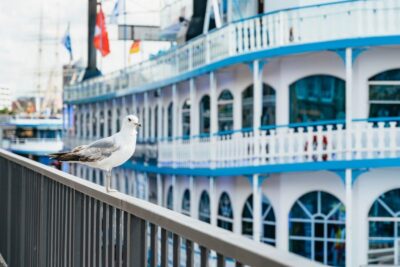
1-Hour Harbor Sightseeing Cruise with HafenCity
Read our review →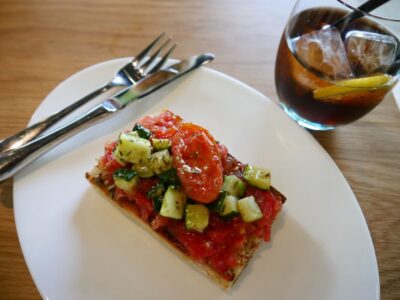
Elbphilharmonie Plaza and HafenCity Food Tour
Read our review →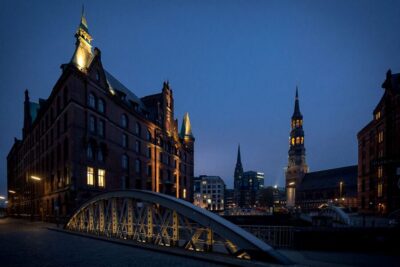

Browse the lists this tour appears in