
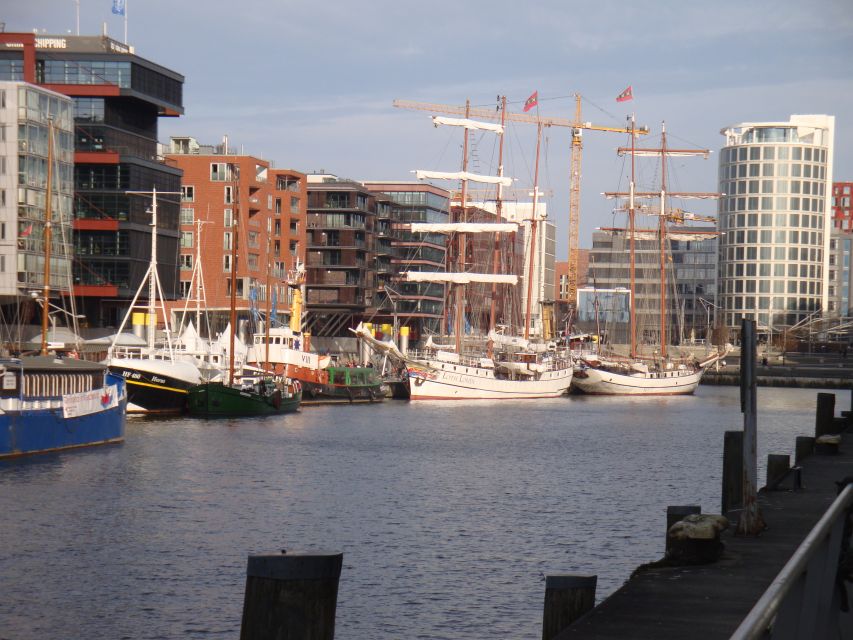
Reviewed · BIKE TOURS
Hamburg Harbor: 3.5-Hour Guided Tour by Bike
Hamburg Harbor looks like it was designed for bikes: straight stretches near water, big city views, and constant history changing as you cross the Elbe. I like this tour because you get harbor history from a live guide while still moving through real neighborhoods, not just standing on one viewpoint. I also love that the route mixes headline places like HafenCity with the calmer side of the harbor in Veddel.
The main thing to consider is that you’ll cover the full 210 minutes on your own bike, so comfortable riding matters. If you’re not confident in bike traffic or you don’t have a bike that fits, arrange a rental early (or ask for the right kind) so you are not fighting your equipment the whole time.
Key highlights you will actually feel on this bike route
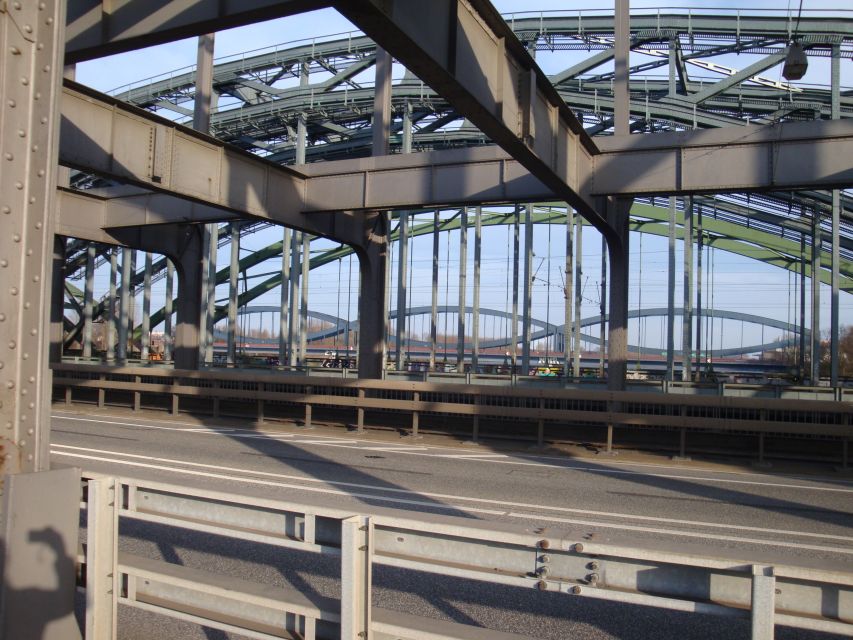
- St. Pauli start with St. Michaelis Church as your early orientation point
- HafenCity and the Elbphilharmonie area for modern Hamburg views from street level
- Elbe River crossings that change the skyline every time you switch sides
- Veddel’s harbor connection, plus stops tied to the Golden House and Ballinstadt Emigration Museum
- Speicherstadt and port infrastructure stories, including the first metropolitan railway and canalization
- Landungsbrücken to Davidwache, finishing near the pulse of Spielbudenplatz
St. Pauli to HafenCity: getting your bearings, fast
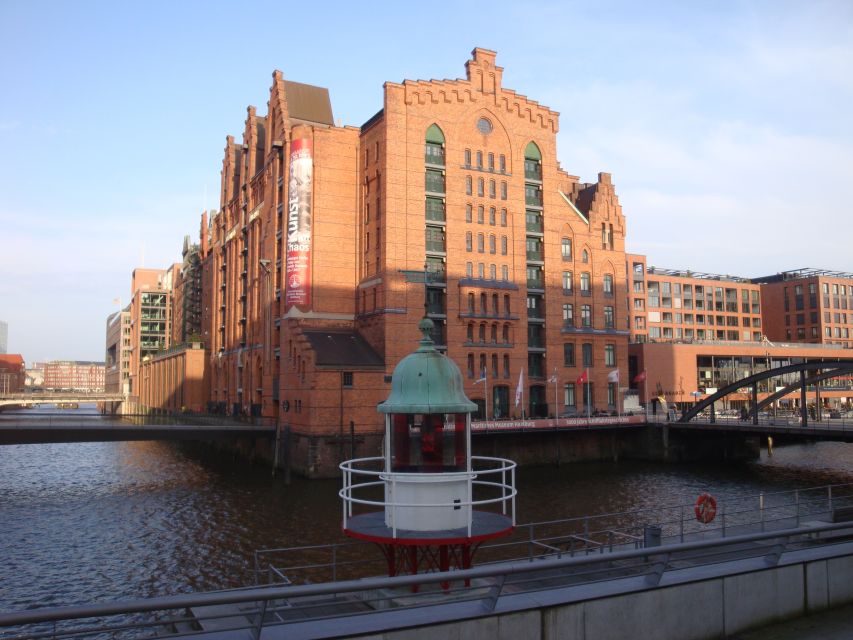
I always like tours that start where the city already feels alive. This one begins at Gebrüder Wolff Platz, by the bars sculpture, in St. Pauli. From there, you pass St. Michaelis Church, a useful landmark because it helps you “read” the city as you ride. Even if you only half remember Hamburg geography, that early sight makes the rest of the route click.
After that, you ride toward HafenCity, Hamburg’s big modern harbor expansion. The charm here is that you are not just seeing architecture from a distance. You’re moving along it, so you notice how streets, waterfront edges, and public spaces connect. That matters in HafenCity because it is all about the relationship between city life and the port.
One practical note: the pace is guided and continuous. There are little breaks, but you should still expect real cycling time. If you tend to stop for photos every 30 seconds, you’ll want to do that in the designated pauses, or you will finish the tour a bit frazzled.
More bike tours in Hamburg:
- Hamburg 3-Hour Bike Tour
★ 4.8 · 1,353 reviews - Guided Hamburg City Bike Tour
★ 5.0 · 642 reviews - Hamburg: Downtown, Alster & Creative Neighborhoods by Bike
★ 4.5 · 217 reviews
HafenCity and the Elbphilharmonie zone: modern Hamburg, up close
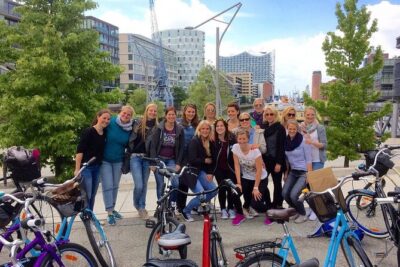
HafenCity is where Hamburg flips from classic port visuals to something more future-focused. The tour specifically brings you through the area around the Elbphilharmonie, so you get those wide harbor views without having to plan it as a separate outing.
What I like about seeing HafenCity by bike is the “scale” education. On foot, it can feel like a lot of walking between big dots. On a bike, you can take in long stretches of water-fronting space and then suddenly be next to a landmark. That rhythm helps the neighborhood feel coherent.
And yes, HafenCity is photogenic. But the better value is how your guide connects the design to the harbor’s evolving role. You learn how the port area became a place for people, not just shipping. That kind of context turns the sightseeing into something you can remember later when you’re looking at other harbor cities.
Baakenhöft, then the Elbe crossing: the panorama you earn
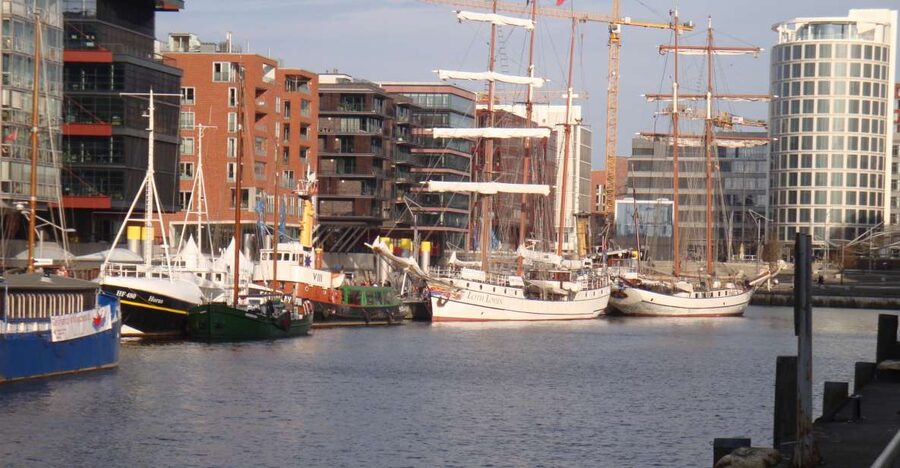
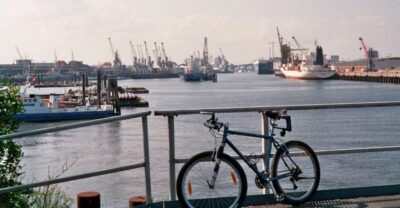
After HafenCity, you continue toward Baackenhöft and then cross the Elbe River. This is one of those moments where cycling adds an extra layer. The river view is always impressive, but the “moving platform” feeling makes the panorama more vivid than it would be if you were stuck on a single spot.
The tour uses that crossing to help you understand Hamburg as a port city split by water and then stitched together by infrastructure. You get broad angles across the water, then you switch sides and see how the city’s character changes with a simple direction change.
On hot days, the route can still feel doable because you often pass through areas that offer cool relief along the way. In a long-ago summer experience described by someone who did the tour on one of the hottest days of the year, the path included smaller parks with shade and even a cooling breeze along the Elbe. I can’t promise exact conditions, but it’s a good sign that the tour is designed with comfort in mind, not just distance.
Veddel and the harbor story beyond the postcard
Then comes the part many people miss if they only chase the famous waterfront. You reach Veddel, described as a lesser-known quarter on the other side of the Elbe. This is where the guide’s history lesson starts to feel less like a lecture and more like a map.
Veddel is tied to the harbor’s development, and you learn about why the district mattered for how the port grew. That connection is the difference between “pretty views” and “understanding the city.” You start to see Hamburg not as one unified image, but as linked work areas, housing, transit, and migration patterns shaped by the waterfront.
The stops here are also specific:
- Golden House, which gives the area a clearer human and architectural anchor
- Ballinstadt Emigration Museum, which adds the human side of port history, since the harbor connects directly to stories of departures and arrivals
If you like city history that connects to everyday movement, Veddel is the strong emotional center of the tour. It’s also a good pacing reset, because it feels less like “look here” and more like “this is why this place exists.”
More Hamburg days worth comparing
- Hamburg: Elbphilharmonie Plaza Guided Tour
★ 4.7 · 5,882 reviews - Hamburg: Chocoversum Guided Tour with Tastings
★ 4.7 · 2,443 reviews - Hamburg: St. Pauli Highlights Guided Tour with Beer for 18+
★ 4.7 · 2,353 reviews - Hamburg: Guided Walking Tour for Magic Fans
★ 4.8 · 1,992 reviews
Back across the Elbe to Speicherstadt: port power in warehouse form
After Veddel, the route turns back across the Elbe. This return crossing matters because you now have context. HafenCity looked modern, Veddel felt tied to port life and its social history. Crossing back helps you reframe what you see in the classic port area.
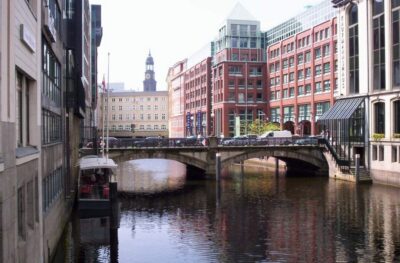
You then explore Speicherstadt, the iconic warehouse district. The key value is what your guide explains while you are riding and stopping. You learn about the first metropolitan railway and the canalization of Hamburg, ideas that explain how goods and people moved through the port system.
Here is why this is worth your time: Speicherstadt can look like a pretty historic district if you let it. With the right context, you see it as a working machine. Water routes, rail links, and organized canal networks were not decorative choices. They were the logic of shipping efficiency, and your guide helps you connect that logic to what you see around you.
The tour also keeps you from getting stuck in one small corner. Instead of a single viewpoint, you keep gaining sightlines and orientation as you move through the area.
Landungsbrücken to Davidwache: finishing at the waterline, then the street pulse
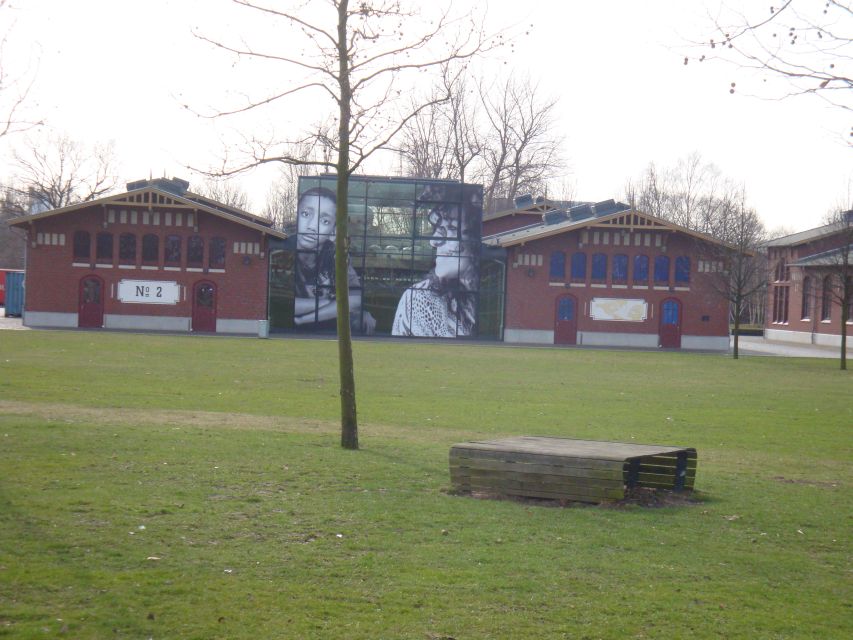
The end of the route is anchored at Landungsbrücken, one of Hamburg’s classic waterfront gathering areas. It’s a practical finishing stop because it gives you a clear sense of “we’re back at the harbor.” You can also take a breather here before the final stretch.
Then you ride to Davidwache, described as the famous police station on Spielbudenplatz. That ending location does something smart. It brings you from the harbor world into the energy of the neighborhood around Reeperbahn, where Hamburg’s nightlife and street life are part of the city’s identity.
One extra detail from an experience shared by someone who did the tour in summer: they finished near Davidwache on the Reeperbahn after going through the area connected with the old Elbtunnel. So if that tunnel route exists on your day, don’t treat it like a random passage. It’s one more way Hamburg turns its geography into a story.
Price and value: is $31 for 3.5 hours a good deal?
At $31 per person for about 210 minutes with a live guide, you’re paying for more than movement. The real value is the guide’s framing of what you see: how HafenCity connects to the port’s evolution, why Veddel matters for harbor development, and how Speicherstadt’s infrastructure like canalization and rail ties into the workings of the port.
You are not paying for transportation like a bus or a one-time entrance fee here. The tour includes the guided cycling part, but bike rental, food, and drinks are not included. That actually can work in your favor if you already have your own bike or you’re comfortable buying snacks on the way.
Also, you can arrange bike rental for €10 per day. That price is the kind of add-on you can budget easily, and it makes the tour accessible even if you didn’t plan ahead for a rental.
Bottom line: if you like guided context and you’re comfortable cycling for a few hours, this feels like a strong value. If you want a slow, stops-everywhere day with no pressure to keep riding, $31 might not matter as much as your own comfort level on the bike.
Pace, comfort, and what to bring for a smooth 3.5 hours
This is a guided bike tour, so you need to think like a cyclist for a bit, not like a stroller. The tour is designed for people who can ride their own bike and who are at least 12 years old. If you’re on the younger side or you’re not confident riding, this isn’t the right match.
From the experiences shared, the route has worked for people in their 60s and 70s, including riders who took it on an extremely hot day. That tells me the pacing includes breaks that help you reset. Still, plan as if you’ll do a continuous bike route with short pauses, not a leisurely hopscotch.
What I’d bring:
- Water, because food and drinks are not included
- Sunscreen or a cap, even if parts of the route offer shade
- Light layers, because river air can feel cooler than you expect
- A phone mount or at least a way to keep your hands free for safe riding
And one small but important tip: if your bike doesn’t fit well, you’ll feel it after the first major change in terrain or turning rhythm. If you’re borrowing or renting, do the check before you join the group, not after.
Who should book this Hamburg harbor bike tour
This tour is best for you if:
- You want harbor history explained while you ride past the real places
- You like a route that mixes famous sights with areas that are less automatic
- You’re comfortable cycling for around 3.5 hours and you can handle the Elbe crossings as part of the plan
- You enjoy learning how infrastructure shapes a city, not just viewing architecture
It’s not a fit if:
- You’re traveling with kids under 12
- You don’t have a bike and you don’t want to rent
- You strongly prefer slow walking time or frequent long stops
Should you book this guided harbor ride?
If your goal is to understand Hamburg Harbor beyond a single viewpoint, I’d say yes. The route gives you multiple “frames” of the city: starting in St. Pauli, shifting through HafenCity, stepping into Veddel’s port-linked district life, then returning through Speicherstadt’s warehouse power and finishing near Landungsbrücken and Davidwache.
The best reason to book is simple: you get a guided story that connects modern development, emigration-era human history, and port infrastructure. And you get it while moving, which helps the day feel like more than a checklist.
The reason to pause is also simple: it’s a real bike tour. If you’re worried about riding comfort or the guide’s pacing style, plan a bike rental early and come ready to ride for the full 210 minutes.
FAQ
Where does the tour meet?
You meet at Gebrüder Wolff Platz, at the bars sculpture.
How long is the Hamburg Harbor bike tour?
The duration is 210 minutes (about 3.5 hours).
What is the price per person?
The tour costs $31 per person.
Is bike rental included?
No. Bike rental is not included, but it can be arranged for €10 per day.
What languages are offered for the guide?
The live guide offers English and German.
Is food or drinks included?
No. Food and drinks are not included.
Is the tour suitable for children?
No, it is not suitable for children under 12. Participants must be at least 12 years old and able to ride their own bike.
How far in advance do I need to book, and can I cancel?
Bookings must be made at least 48 hours in advance. You can cancel up to 24 hours in advance for a full refund.
Recently added around Hamburg
- Hamburg Private Food Tours with a Local: 100% Personalized★ 5.0 · 3 reviews
- The Beatles on St. Pauli★ 5.0 · 3 reviews
- Short walk St. Pauli – the St. Pauli quickie★ 5.0 · 3 reviews
- Private Tour: Speicherstadt and HafenCity Walking Tour in Hamburg★ 5.0 · 4 reviews
- Hamburg: Safari Tour in St. Pauli★ 5.0 · 3 reviews
- Private Tour: Hamburg St Pauli Nightlife District★ 3.5 · 3 reviews
- Hamburg Port Promenade Tour★ 4.0 · 3 reviews
- Private Hamburg rickshaw tour for 2 people★ 5.0 · 3 reviews
Bike Tours, compared.
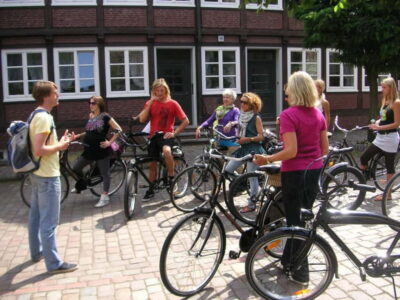
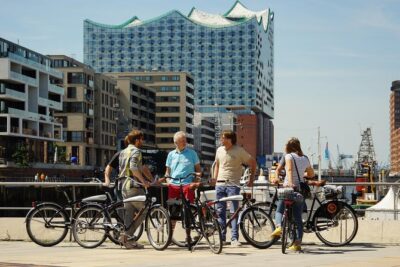
Downtown, Alster & Creative Neighborhoods by Bike
Read our review →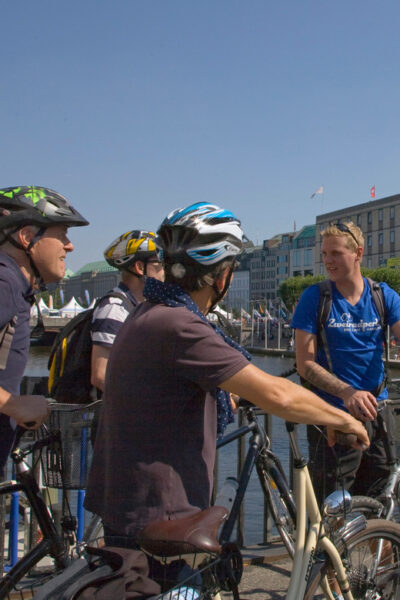
Guided bike tour Hamburg with neat city bikes, cruisers, mountain bikes
Read our review →Browse the lists this tour appears in