
Reviewed · MUSEUMS & ATTRACTION TICKETS
Hamburg: Entrance to the Museum Ship Cap San Diego
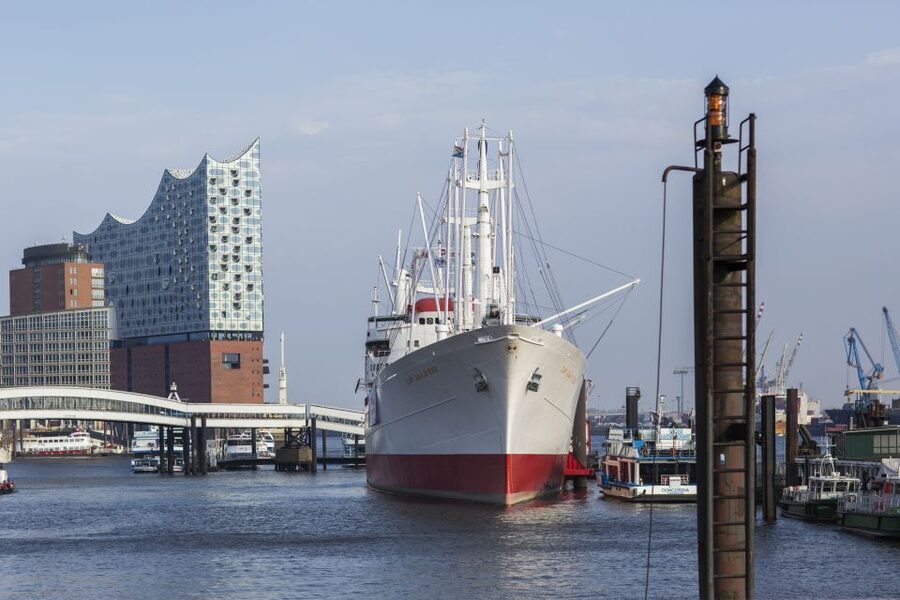
The Cap San Diego museum ship in Hamburg is interesting because you are not looking at a model. You are walking through the real spaces where cargo crews would have worked, and the museum tells that story with a 1960s and 70s Atlantic voyage in mind.
I especially like the way you can move through different ship zones, from the bridge down into the machine room. Two things I really appreciate are the emigrant history tied to Hamburg from 1850 to 1930, and the chance to experience the ship’s core work in the engine room.
One possible drawback is that this is a ship you explore on your own, with tight areas and multiple flights of stairs. It is not recommended if you have claustrophobia or mazeophobia, and it is also not a good match for limited mobility.
Key highlights you will not want to miss
- Largest civil museum ship in the world, and a survivor from a fast cargo-ship series built for South America
- Self-guided “imaginary journey” through the 1960s and 70s, across the Atlantic to Rio de Janeiro and Buenos Aires
- Documentary on Hamburg emigration (1850 to 1930), focused on the fate of emigrants
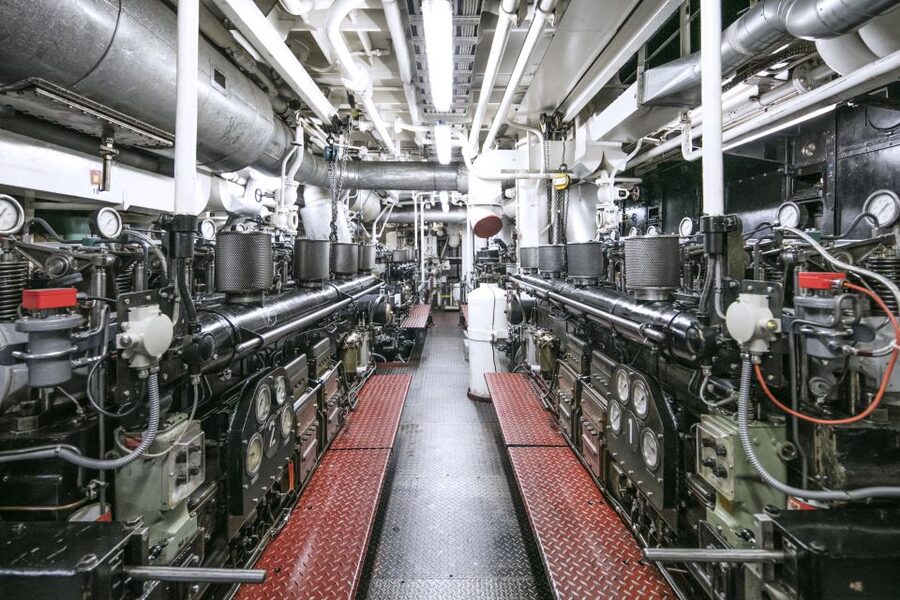
- Machine Room time, so you can stand inside the engine space and feel the ship’s real work
- Hatch 2 exhibition on General Cargo and Container Handling, with clear text and historical images
Why Cap San Diego feels like a time machine in Hamburg
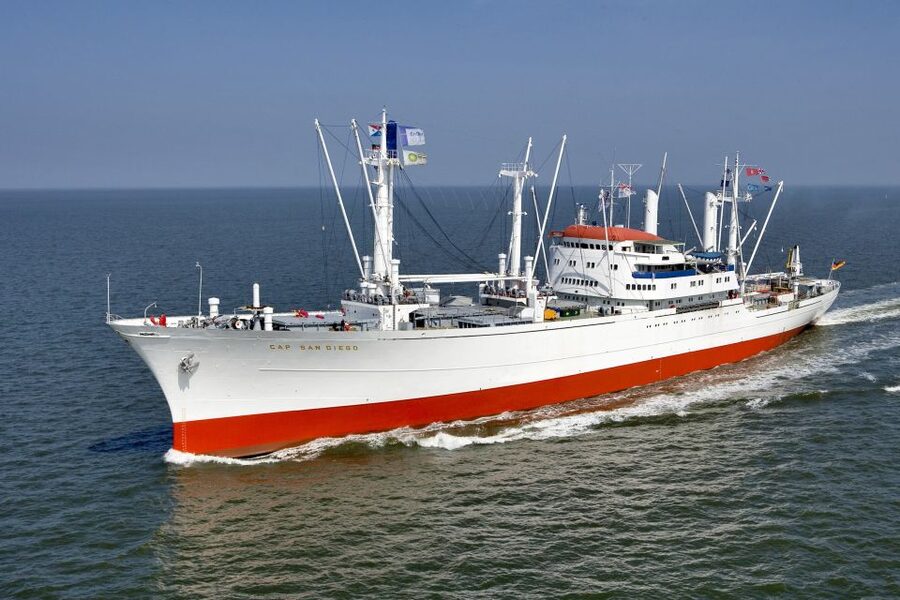
Cap San Diego is the largest civil museum ship in the world, and it comes with real credibility. It is the last surviving ship from a group of six fast general cargo vessels built in 1961 and 1962 for the Hamburg Süd shipping company, then running cargo routes to South America until the end of 1981. The ship has been a museum since 1988, so you are not just getting a quick photo stop.
What makes it work as an experience is the way the museum turns space into story. You are guided by your own feet and your own attention, and the themes connect ship life to what was happening beyond Europe. That is why it does not feel like a dusty exhibit. It feels like a journey, even though you are walking at your own pace.
More museum and attraction tickets in Hamburg:
- Hamburg: Hamburg Dungeon Admission Ticket
★ 4.7 · 5,745 reviews - Hamburg: Ticket to the Panoptikum Waxworks
★ 4.3 · 2,489 reviews - Hamburg: International Maritime Museum Entrance Ticket
★ 4.7 · 547 reviews
Getting to the ship entrance at Überseebrücke
You meet the experience by going directly to the ship entrance at the end of Überseebrücke. That is helpful because you do not need to hunt for a ticket office or wait for anyone to lead you around, at least not as part of the tour itself.
Once you are at the entrance, you can settle into the rhythm of a ship museum. You are not in a group with a live guide shepherding you forward. You are exploring a vessel, so the most important thing is giving yourself time to move from zone to zone and take in the displays at each stop.
From the bridge to the machine room, how the self-guided voyage is staged
The museum gives you an imaginary route through the 1960s and 70s, across the Atlantic Ocean to Rio de Janeiro and Buenos Aires and back again. I like this approach because it uses place and movement. You are not only reading about cargo ships, you are experiencing how people would have viewed the voyage from different work stations.
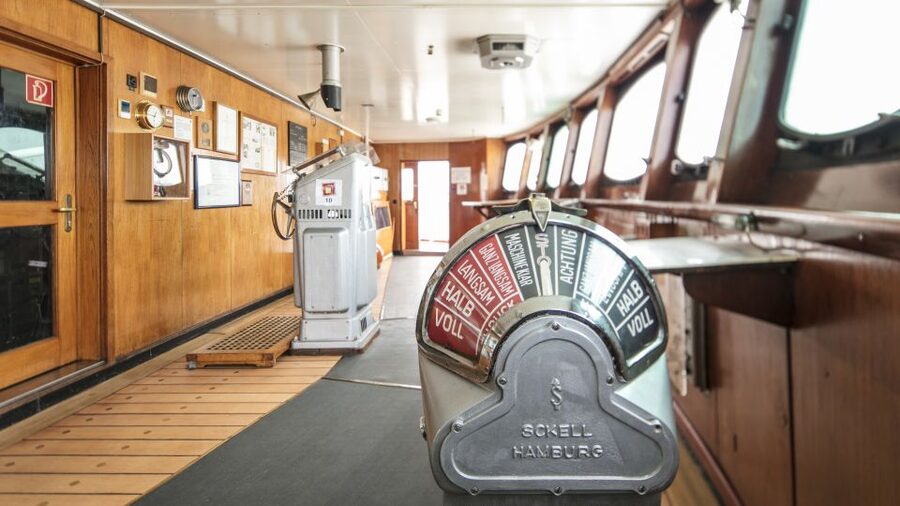
On the way, you can follow the story from the bridge, where you get the lookout perspective, to deeper parts of the ship where you can stand inside the Machine Room. The museum is designed so that the “feel” of each area matches its purpose. Up top, it is about observation and navigation. Down below, it is about function and the steady pulse of machinery.
What you will notice in the bridge area
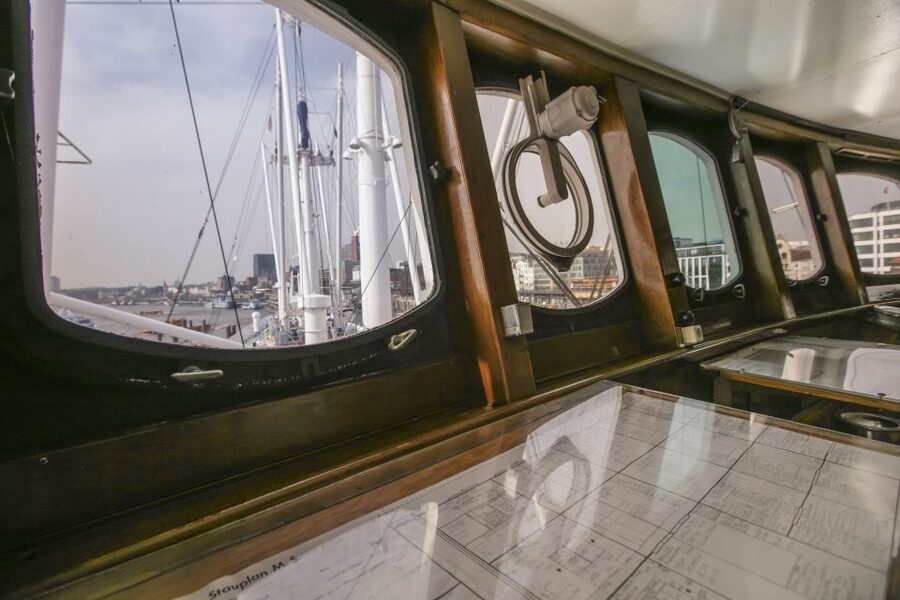
You will spend time imagining life as a lookout on the bridge. Even if you know nothing about ship operations, the museum’s framing helps you understand what the bridge represented: command decisions, route awareness, and the view of the Atlantic that crews depended on. If you like practical settings with lots of physical context, this is a good start point.
More museums in Hamburg:
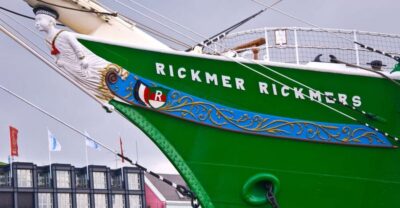
- Hamburg: RICKMER RICKMERS Museum Entry Ticket
★ 4.6 · 269 reviews - Hamburg: Museum of Illusions Ticket
★ 4.2 · 122 reviews - Hamburg: Emigration Museum BallinStadt Entry Ticket
★ 4.4 · 63 reviews - Ticket for the Emigration Museum BallinStadt Hamburg
★ 4.0 · 57 reviews
What you will feel in the machine room
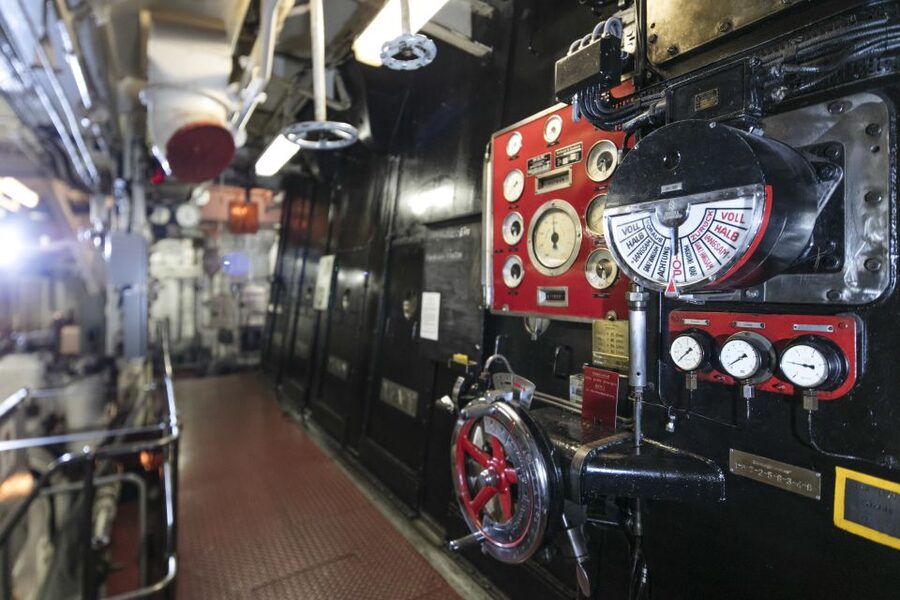
Then comes the heart of it for many people, the engine space. The museum encourages you to stand deep within the Machine Room to feel the steady pulse of the engines. This is not the kind of exhibit where you only look at artifacts behind glass.
It is more like a hands-on understanding of how ships actually work, even though you are not touching equipment. If you are the type who gets satisfaction from systems and mechanics, you will likely spend extra time here.
Saloon break, with a little music in the background
The museum also has a saloon stop where passengers relax to light music while the voyage fantasy continues. That matters because it breaks up the technical areas with something human. It helps you remember the ship was also a workplace, a temporary home, and a shared experience for crews and travelers.
The emigration documentary: A Suitcase Full of Hope
One of the strongest educational parts is a documentary you can watch during your self-guided visit: A Suitcase Full of Hope – Emigration Port of Hamburg. The focus is the fate of emigrants between 1850 and 1930.
Even though Cap San Diego is a 1960s ship, this documentary widens the timeline on purpose. You start thinking beyond routes and into people, why they left, and what the port of Hamburg meant during high emigration years. The ship becomes a bridge, not just between places, but between eras.
If you care about migration history and how ports shaped personal lives, this is likely the moment that will stick with you. I also like that it is woven into the ship experience rather than tacked on as a separate museum hall.
Hatch 2 and the General Cargo and Container Handling exhibit
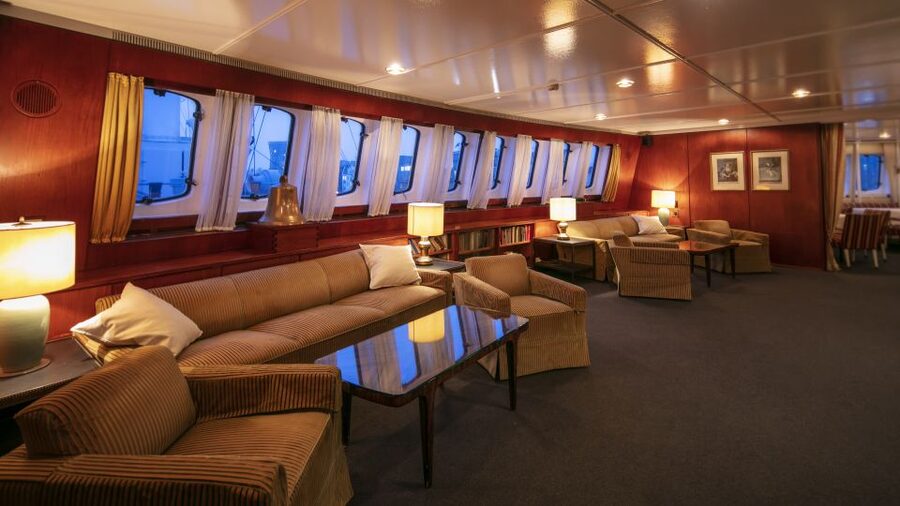
In hatch 2, you will find the permanent exhibition General Cargo and Container Handling. This is one of those “serious but readable” exhibit types, with historical images and explanatory texts that trace the history of sea freight transport from 1960 to today.
This is valuable for two reasons. First, it helps you connect what you see on the ship to the bigger shipping changes that happened over time, especially the shift to more standardized container systems. Second, it gives you something to interpret while you are moving through different ship zones.
When you view the ship through that lens, it becomes easier to understand why particular spaces were designed the way they were. You are not only sightseeing. You are learning the logic behind the equipment and cargo handling.
How to pace a ship museum without getting overwhelmed
Because this is a self-guided tour, the best strategy is to treat it like a walking route with choice points. Start with the big perspectives, the bridge and major public-facing areas, then slow down in the spaces that need your attention most, like the Machine Room and the hatch exhibition.
I also suggest mentally separating the visit into three layers:
1) Story layer: the 1960s and 70s Atlantic voyage to Rio de Janeiro and Buenos Aires and back.
2) People layer: the documentary on emigrants from 1850 to 1930.
3) Work layer: how cargo transport evolved, via General Cargo and Container Handling.
That simple structure helps you avoid the common self-guided trap of rushing through rooms just to check boxes. On a ship, rushing makes you miss details, and details are the whole point.
Price and value for a 1-day Hamburg stop
The price is $14 per person for a duration of 1 day, and the entrance ticket is included. If you select the audio guide option, that part is included as well.
For the money, the value is strong because you are getting access to multiple distinct ship environments: bridge space, deep engine areas, a saloon moment, and a permanent exhibition in hatch 2, plus the documentary experience. Many museums force you to pick one main theme and skim everything else. This one stacks themes in the same building, which happens to be a working-era vessel.
A good way to judge value is to ask what you would otherwise pay time and money for. If you want maritime context and hands-on ship geography in one stop, Cap San Diego gives you that in a single day.
Who should book Cap San Diego, and who should skip it
This museum is a great fit if you like hands-on environments, mechanical spaces, and maritime history told through real ship architecture. The combination of bridge viewpoints, Machine Room access, and the hatch exhibition on cargo handling makes it appealing even if you are not a hardcore shipping buff.
It is also a good fit if you want a balanced mix: some technical learning, plus the human side of emigration via the documentary on the fate of emigrants between 1850 and 1930.
It is not a good fit if you need wheelchair accessibility or if you have limited mobility. The ship is not wheelchair accessible and includes multiple flights of stairs. It is also not recommended for people with claustrophobia or mazeophobia, which makes sense once you think about exploring a ship’s interior corridors and compartments.
A note on wayfinding and staff help
This is self-guided, so there is no live guide to keep you on track. The good news is that you can get your bearings quickly as you move through the ship, even if you might find the route markings could be a bit clearer. Once you orient yourself, the experience flows room to room.
Another plus is the onboard support. The staff are known for being extremely kind and for giving useful information, so if you have questions, you can likely get help on the spot. That kind of friendly assistance matters on a ship, where a small misunderstanding can feel bigger than it would in a normal museum.
Museum hours and planning for a smooth visit
The museum is open daily from 10 AM to 6 PM. Since it is self-guided and you are moving around different ship sections, I would plan on using that full window if your goal is to see everything carefully, especially if you want to linger in the Machine Room and hatch 2 exhibition.
Also, remember it is valid as a 1-day experience, so treat it as your main maritime activity for that day. Pairing it with other quick stops nearby can work, but do not schedule it like a 30-minute coffee run. A ship museum takes time to actually understand.
Should you book Cap San Diego in Hamburg?
Book it if you want a rare kind of museum: one where you walk through a genuine cargo ship and experience multiple working-era spaces, not just polished galleries. The pairing of ship zones with the documentary on Hamburg emigration between 1850 and 1930 gives the visit emotional weight, while the hatch 2 exhibit on General Cargo and Container Handling gives it practical context.
Skip it if stairs and tight interiors are an issue for you, or if claustrophobia or mazeophobia might make a ship layout uncomfortable. In those cases, the “walk in the ship” format is the whole point, and it can turn into a bad point fast.
If you fall somewhere in the middle, go anyway with realistic expectations: it is self-guided, so your enjoyment depends on how much you like exploring at your own pace. For many people, that is exactly why Cap San Diego is worth the trip.
FAQ
What is the meeting point for Cap San Diego?
Go directly to the ship entrance located at the end of Überseebrücke.
How long is the experience?
It is valid for 1 day.
What is included with the ticket?
The entrance ticket is included. An audio guide is included only if you select the audio guide option.
Is there a live guide during the visit?
No. This is a self-guided tour, so there is no live guide.
What are the opening hours?
The museum is open 10 AM to 6 PM daily.
What does the museum include besides ship areas?
You can watch the documentary A Suitcase Full of Hope – Emigration Port of Hamburg about the fate of emigrants between 1850 and 1930. You can also visit hatch 2, with the permanent exhibition General Cargo and Container Handling.
Can I access the ship with a wheelchair?
No. It is not wheelchair accessible, and there are multiple flights of stairs.
Is it suitable if I have limited mobility?
It is not recommended for people with limited mobility because there are multiple flights of stairs.
Is it recommended for claustrophobia or mazeophobia?
It is not recommended for people with claustrophobia or mazeophobia.
Recently added around Hamburg
- Hamburg Private Food Tours with a Local: 100% Personalized★ 5.0 · 3 reviews
- The Beatles on St. Pauli★ 5.0 · 3 reviews
- Short walk St. Pauli – the St. Pauli quickie★ 5.0 · 3 reviews
- Hamburg: Safari Tour in St. Pauli★ 5.0 · 3 reviews
- Private Tour: Hamburg St Pauli Nightlife District★ 3.5 · 3 reviews
- Private Tour: Speicherstadt and HafenCity Walking Tour in Hamburg★ 5.0 · 4 reviews
- Hamburg Port Promenade Tour★ 4.0 · 3 reviews
- Private Hamburg rickshaw tour for 2 people★ 5.0 · 3 reviews
Museums & Attraction Tickets, compared.






Browse the lists this tour appears in